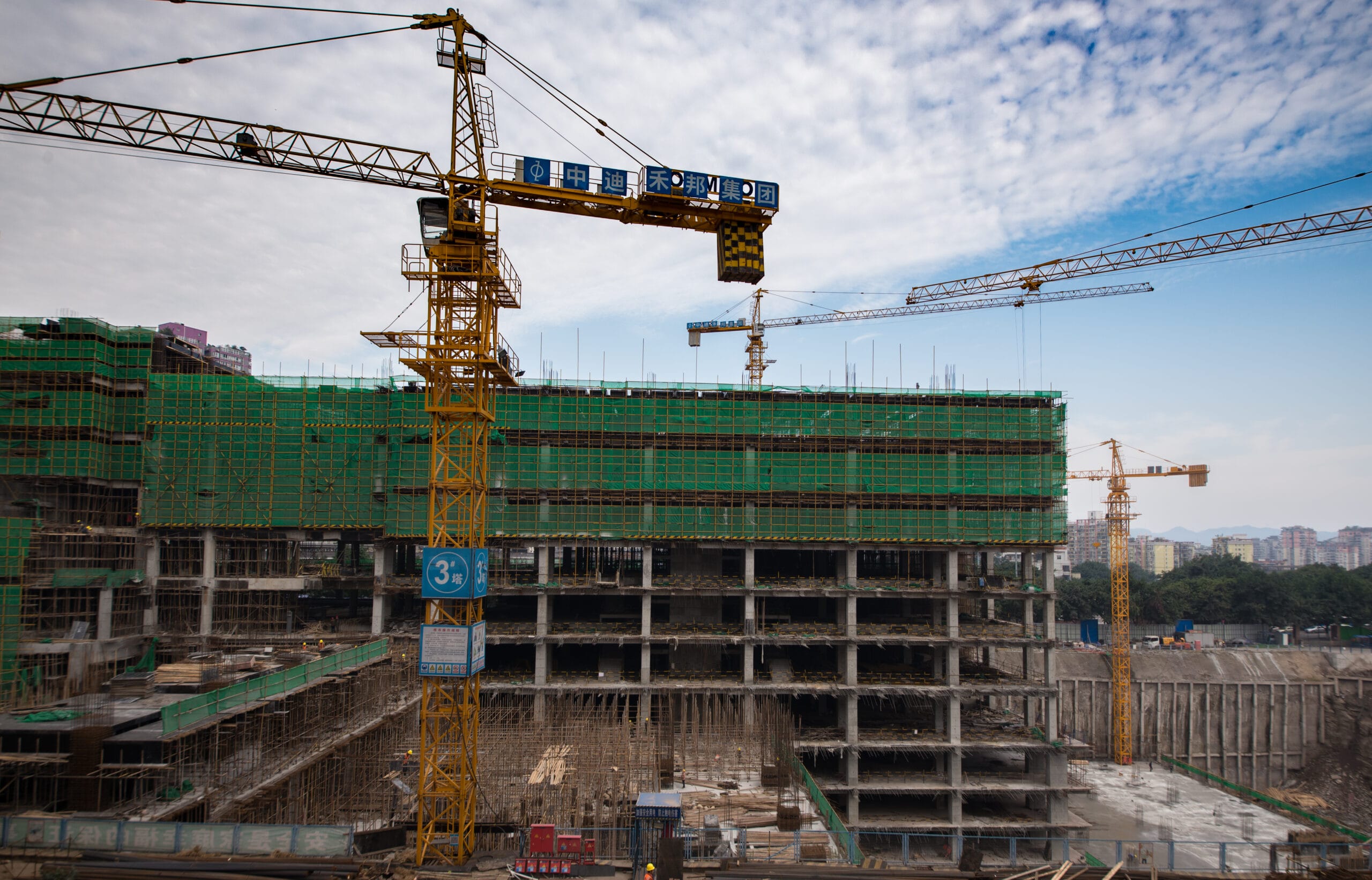
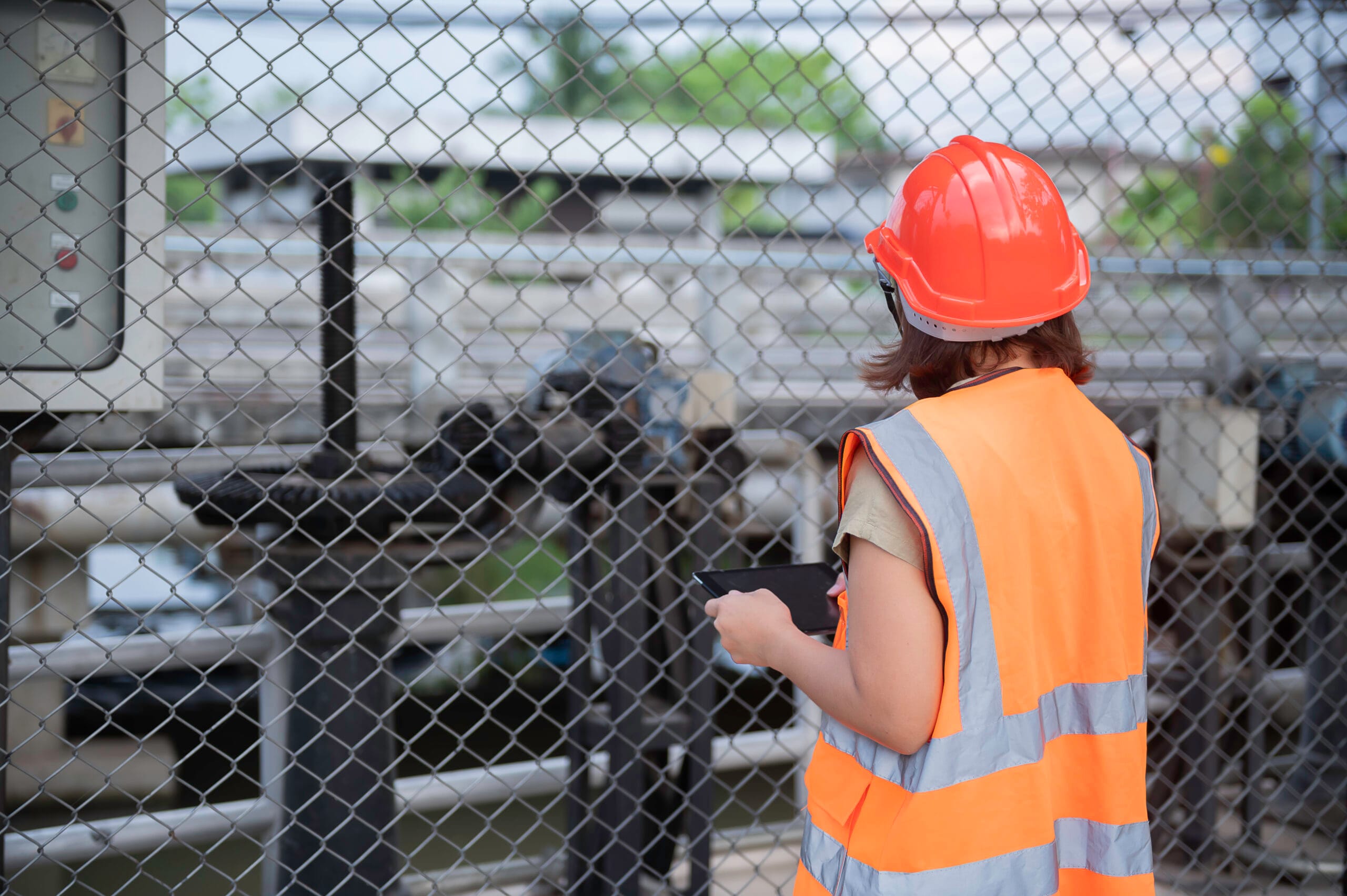
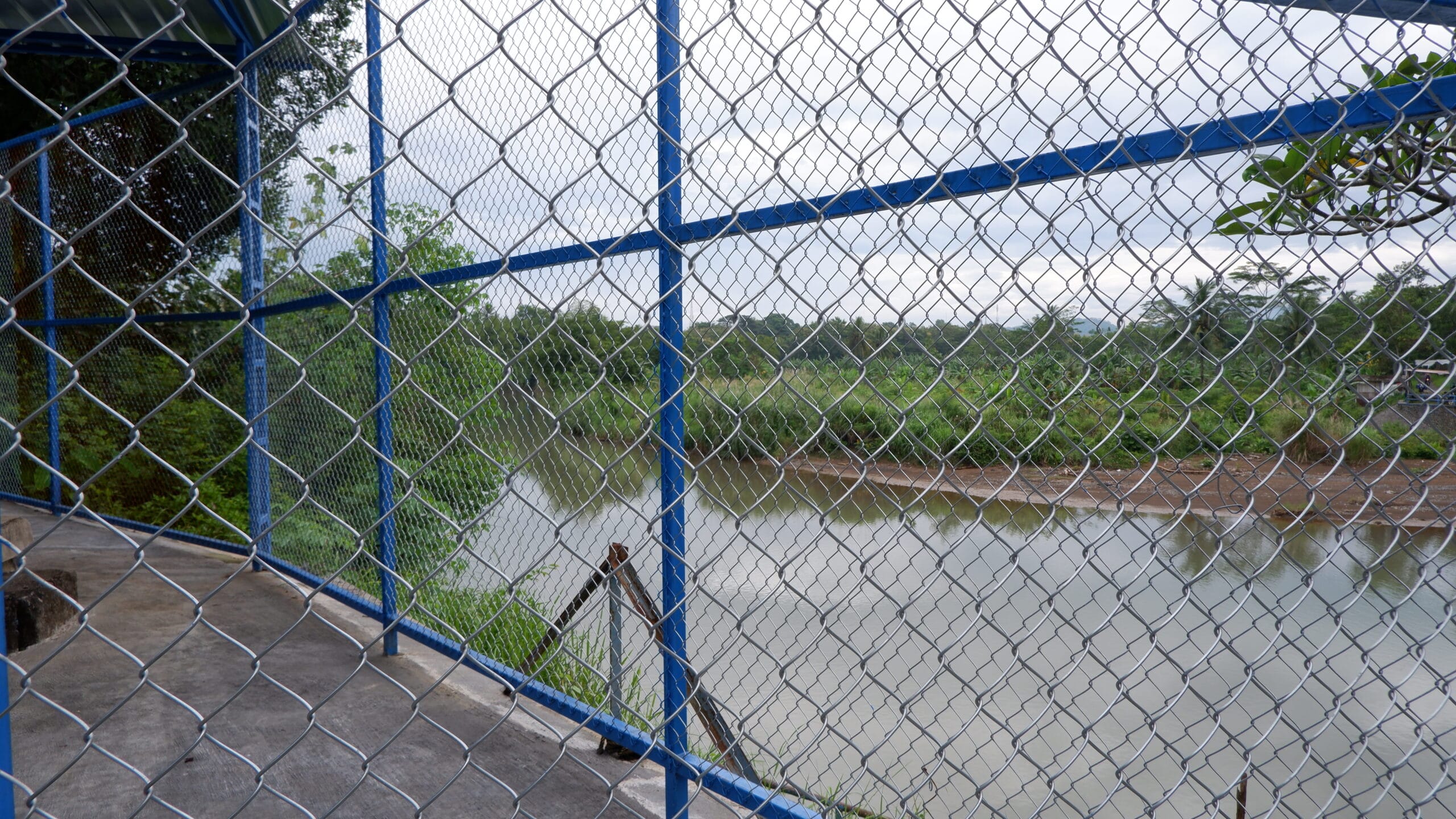
Drive past any active construction site in the Klang Valley today and something is quietly different about how perimeters are secured. The old solution, rows of steel pipe railings or basic BRC panels bolted together, is giving way to a new site standard: rigid, tightly woven welded mesh security panels that fence in the site on all four sides, from ground to post top, with barely a gap to speak of.
At W&C Engineering, we work with contractors, project managers, and property owners across Malaysia every day. We often hear the same concerns: theft on site, unauthorised access, insurance requirements, and the difficulty of maintaining a perimeter that was never designed for proper security. This article explains what is driving the shift away from traditional railings and why welded mesh security panels are becoming the smarter choice for construction site boundaries in Malaysia.
The Problem With Traditional Steel Railings on Construction Sites
Steel pipe railings have been used on Malaysian construction sites for a long time. They are familiar, they are available, and for a simple boundary marker, they do the job. But a boundary marker and a security barrier are two very different things — and on today’s construction sites, that difference matters a lot.
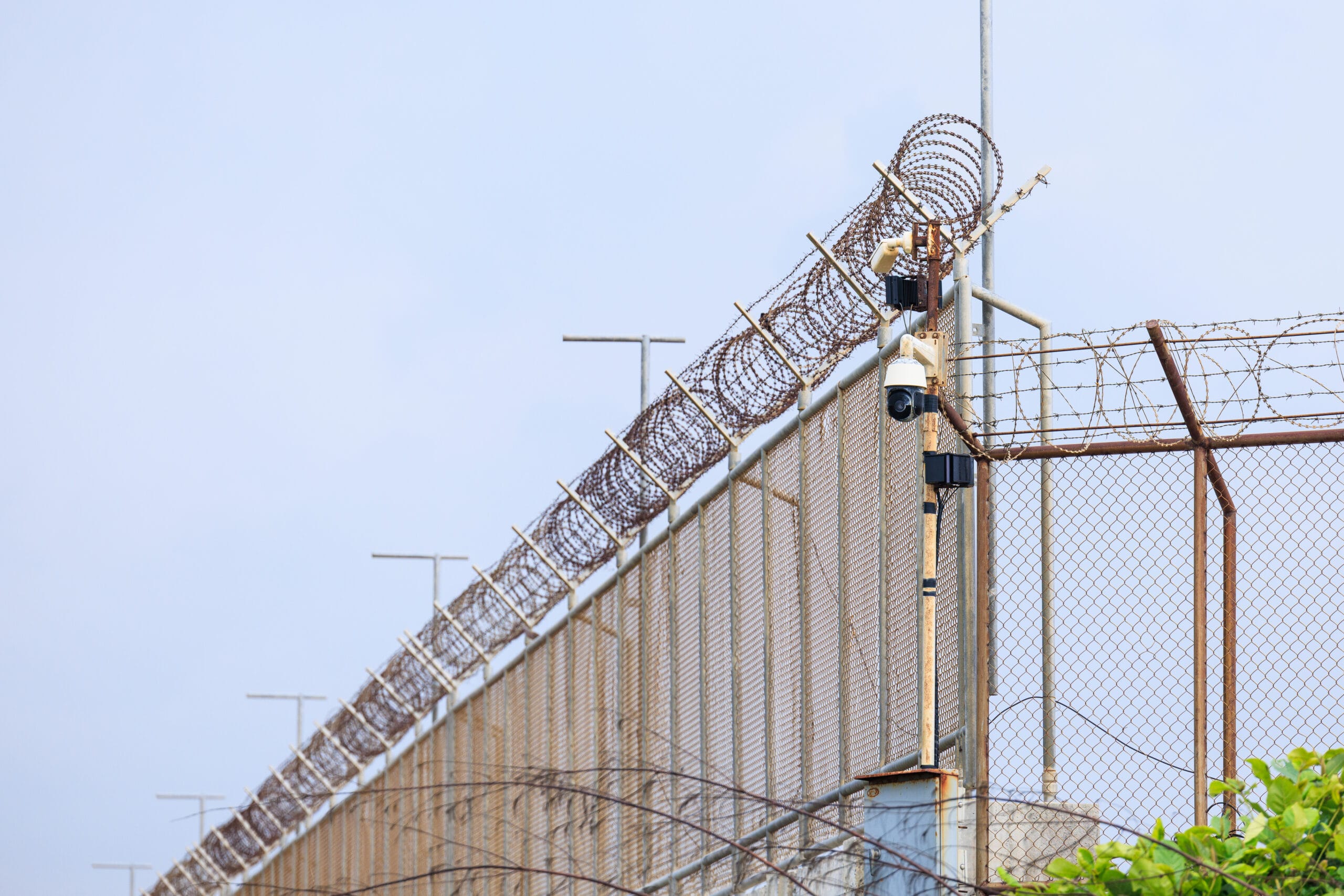
The biggest problem with open-bar railings is simple: they are easy to climb. The gaps between bars give anyone a foothold and a handhold. An intruder does not need special skills or equipment. Copper wiring, power tools, cement, and building materials have real resale value, and construction sites are seen as easy targets when the only thing standing between the street and the site is a railing that can be scaled in seconds.
Beyond security, there is the issue of durability. Conventional steel railings corrode at their welds and base joints — the exact spots that take the most stress. Malaysia’s heat, rain, and humidity accelerate this process. A railing that looks solid at the start of a project can be significantly weakened by the time the project reaches its second or third year. Repainting and joint repairs add up, and they still do not solve the fundamental security gap.
What Makes Tight Mesh Panel Fencing Different
Tight mesh panel fencing works on a simple but very effective principle. The mesh apertures — typically 12.5mm × 75mm — are deliberately too small for fingers or toes to get a grip on. There is no foothold. There is no handhold. You simply cannot climb it the way you can climb a railing. That single design feature removes the most common method of perimeter breach from the equation entirely.
The panels are also welded at every single wire intersection, not just at the frame edges. This means force and impact are distributed across the whole panel rather than concentrating at a few vulnerable joints. Trying to push, bend, or cut through a properly installed welded mesh panel with everyday hand tools is genuinely difficult — far more so than attacking a pipe railing system.
For Malaysian conditions specifically, the surface treatment matters just as much as the structure. Our panels are hot-dip galvanized and powder-coated, giving them double protection against the rust and corrosion that shortens the life of conventional steel railings in our climate. A properly specified and installed mesh panel fence can deliver a decade or more of reliable performance with very little maintenance required.
Tight Mesh Panels vs Traditional Steel Railings: A Direct Comparison
| Factor | Tight Mesh Panel Fencing | Traditional Steel Railings |
| Climbing resistance | No footholds or handholds — extremely hard to scale | Easy to climb; wide gaps give full purchase |
| Cut and tool resistance | Welded joints and 4mm wire resist standard hand tools | Pipe sections can be sawn or unbolted at joints |
| CCTV compatibility | Full visibility through the mesh; cameras see clearly through panels | Solid bars can obstruct surveillance camera angles |
| Weather resistance (Malaysia) | Hot-dip galvanized and powder-coated; 10–20 year lifespan | Corrodes at welds and joints; significant degradation within 3–5 years |
| Installation flexibility | Modular panel-and-post system; fast to install and easy to relocate | Welded or bolted sections are harder to adapt as the project changes |
| Long-term maintenance | Low — minimal rusting, no structural weakening at joints | Higher — repeated repainting and joint repairs needed |
| Alarm and sensor integration | Compatible with vibration sensors and perimeter detection systems | Limited options without significant modification |
Why More Project Managers in Malaysia Are Making the Switch
There are several reasons this shift is happening now. Insurance requirements for construction site security have become stricter. CIDB guidelines place more responsibility on main contractors to maintain a secure perimeter throughout the project lifecycle. And as construction sites become denser and more urban — closer to roads, pedestrian areas, and neighbouring properties — the standard of the perimeter boundary reflects directly on how the project is perceived.
Tight mesh panel fencing addresses all of these concerns at once. It creates a visibly professional and robust site boundary that satisfies compliance requirements. It is far harder to breach than conventional railings, which reduces theft and liability. And because the panels are modular, they can be extended or reconfigured as project phases change — without the cost of purchasing entirely new sections.
As a leading security fencing supplier and contractor in Malaysia, W&C Engineering has seen this specification shift happen across sectors. From housing developers in the Klang Valley to infrastructure contractors working on public utilities, the teams that switch to high-security welded mesh panels consistently tell us the same thing: they wish they had made the change earlier.
Where Tight Mesh Panel Fencing Works Best
While the focus here is construction sites, it is worth noting that the same panels used to secure a site during the building phase can often serve as the permanent perimeter fence once the project is complete. That is a genuine cost saving — and a practical one, since the panels are already installed, already weather-treated, and already proven on site.
| Construction site hoarding | Secure the full perimeter from day one. Modular panels can be reconfigured quickly as the project progresses, keeping the boundary tight without disrupting site operations. |
| Factories and warehouses | Permanent welded mesh perimeters for industrial sites where theft prevention, CCTV integration, and long-term durability are all priorities. |
| Infrastructure and utility compounds | Substations, water treatment facilities, and telecoms sites where a secure, tamper-resistant boundary is both a regulatory requirement and an operational necessity. |
| Schools and institutional buildings | Welded mesh panels offer strong security without the hostile appearance of razor wire, making them appropriate for public-facing environments like schools, clinics, and government buildings |
| Logistics and distribution centres | Sites storing high-value cargo need a perimeter that integrates with surveillance and alarm systems — and that holds up under daily operational pressure. |
Getting the Specification Right
Not every welded mesh panel is the same, so getting the right specification for your project is important. Key factors include wire diameter, aperture size, panel height, post strength, and surface treatment. For most construction sites in Malaysia, a minimum 4.0mm wire diameter with hot-dip galvanised and powder-coated finish at a height of at least 2.4 metres is commonly recommended.
The level of security required may vary. Some sites may need taller panels, razor wire topping, or integration with alarm systems, depending on the risk level. A construction site in a busy urban area will have different needs compared to an isolated industrial location. This is why consulting an experienced fencing contractor is always advisable before finalising specifications.
At W&C Engineering, our team combines civil engineering expertise with hands-on site experience to help you choose the right solution, not only for the construction phase but also for long-term facility security. We understand technical requirements, budget considerations, and what works best for Malaysian projects.
Frequently Asked Questions
1. Why are construction sites in Malaysia replacing steel railings with mesh panel fencing?
Steel railings have wide gaps that are easy to climb, making them poor security barriers for active construction sites. Tight mesh panel fencing uses small apertures — typically 12.5mm × 75mm — that give no foothold or handhold to intruders. The panels are also more durable in Malaysia’s tropical climate, easier to relocate as project phases change, and more compatible with CCTV surveillance systems.
2. What is tight mesh panel fencing?
Tight mesh panel fencing is a welded wire security barrier made from steel wires welded at every intersection to form a rigid panel with very small rectangular openings — usually 12.5mm × 75mm. The gaps are too small for fingers or tools to grip, making it extremely difficult to climb or cut through. Panels are hot-dip galvanized and powder-coated for corrosion resistance, making them well suited to Malaysia’s outdoor environment.
3. What is tight mesh panel fencing?
Tight mesh panel fencing is a welded wire security barrier made from steel wires welded at every intersection to form a rigid panel with very small rectangular openings — usually 12.5mm × 75mm. The gaps are too small for fingers or tools to grip, making it extremely difficult to climb or cut through. Panels are hot-dip galvanized and powder-coated for corrosion resistance, making them well suited to Malaysia’s outdoor environment.
4. Can the same fencing used during construction be kept as a permanent fence?
Yes — this is one of the most practical advantages of tight mesh panel fencing. Because the panels are durable and professionally finished, many project owners choose to retain the construction perimeter fence as the permanent boundary for the completed facility. This avoids the cost and waste of replacing an entire fencing system once construction ends.
Find more about: