If you have ever stood in a hardware store or searched online trying to figure out which chain link fence is right for you, you are not alone. Most people do not realize just how many choices are involved. It is not as simple as picking a fence and calling it a day. You have to think about the style, the height, and the gauge, and each one of those things matters more than you might think.
At W&C Engineering, we have been helping homeowners, business owners, and contractors find the right chain link fence for their needs for years. We know this product inside and out, and we want to share that knowledge with you so you can walk into any buying decision feeling confident. This guide covers everything you need to know about chain link fence styles, heights, and gauges in plain, simple language.
What Is a Chain Link Fence?
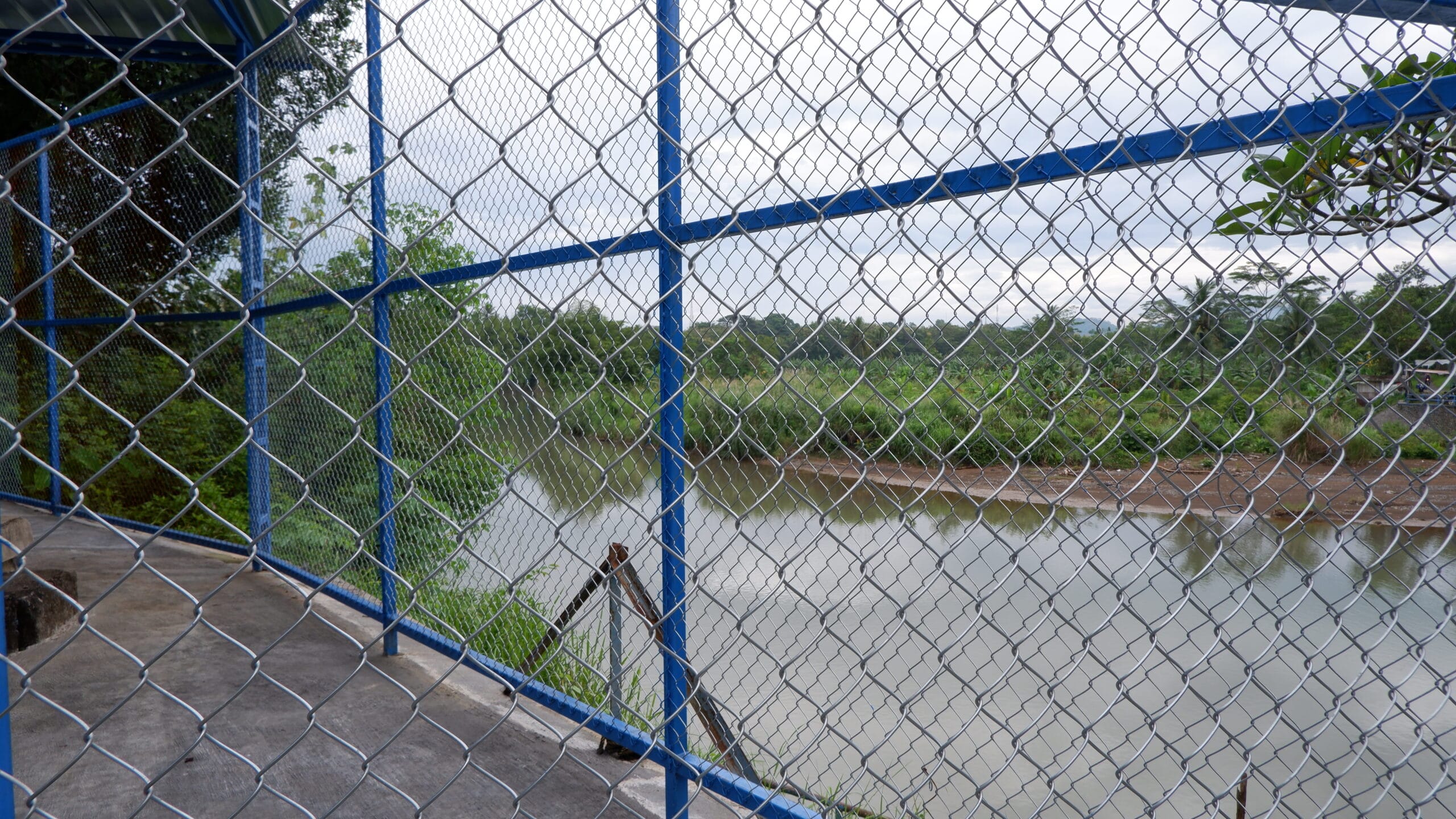
A chain link fence is made from interlocking steel wires woven into a diamond pattern. The wires are coated to resist rust and weather, and the fencing is secured to metal posts set firmly in the ground. It is one of the most practical and affordable fencing options in Malaysia.
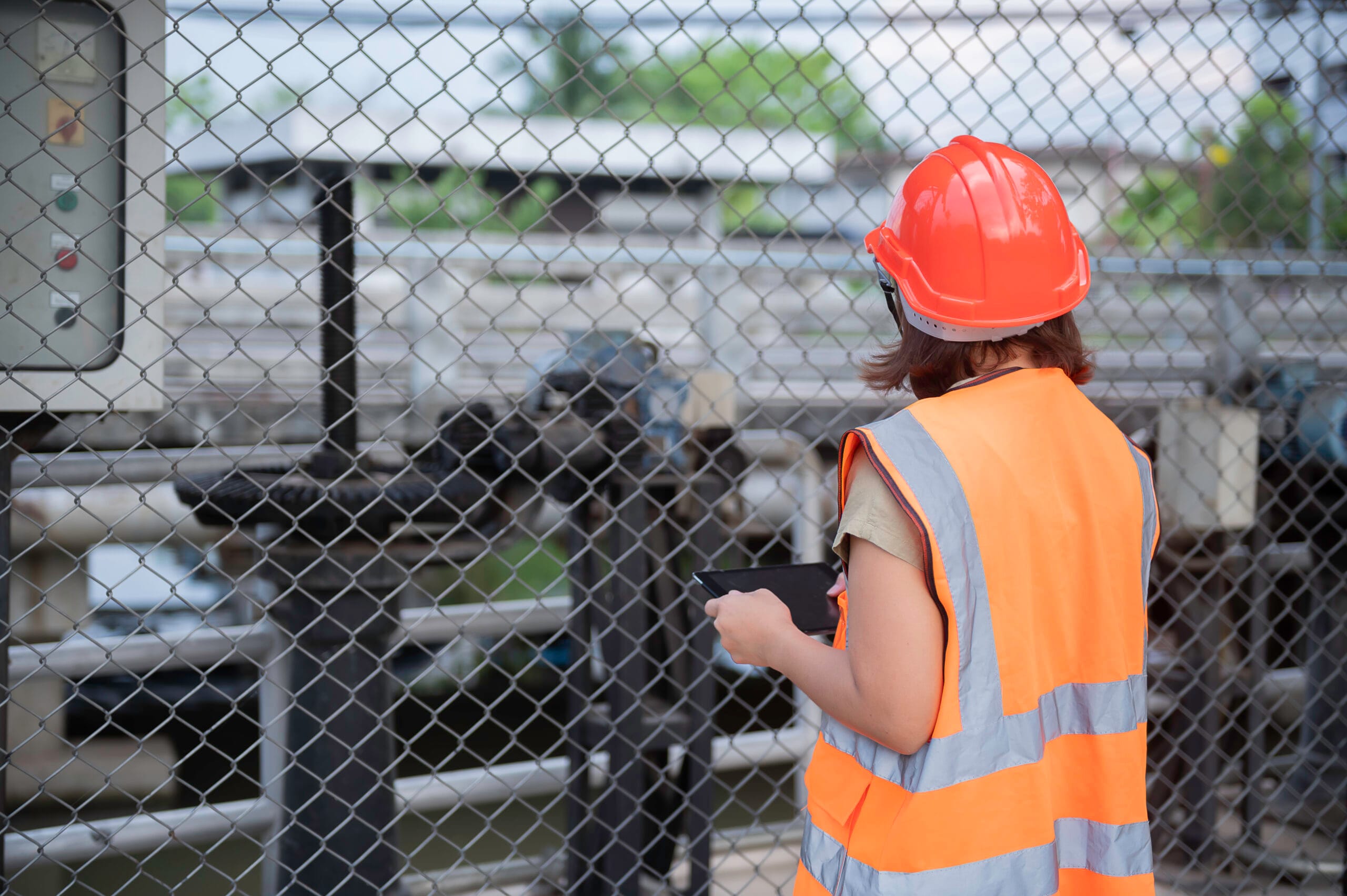
People use chain link fences for many purposes, from enclosing backyards to securing commercial properties, schools, sports fields, and construction sites. Its long-lasting popularity comes down to three things: strength, durability, and cost-effectiveness.
Chain Link Fence Styles
Not all chain link fences look the same. There are a few different styles, and each one fits a different purpose.
Galvanized Chain Link
The most common option. It has a silver or gray metallic look and is coated with zinc to prevent rust. It is strong, reliable, and budget-friendly, making it a practical choice for many properties.
Vinyl-Coated Chain Link
Vinyl-coated chain link adds a layer of plastic over galvanized wire. Available in colors like black and green, it blends better with landscaping and offers extra protection from the elements. It is a popular choice for homeowners who want a more polished look.
Privacy Chain Link
If you want more privacy from a chain link fence, you can add privacy slats. These are thin strips of material, usually aluminum or vinyl, that weave through the diamond openings in the fence.
Decorative Chain Link
Decorative chain link fences feature upgraded top rails or colored posts for a more finished appearance. While they are not as detailed as wrought iron, they offer a cleaner and more refined look than standard galvanized fencing. This style is a good choice for front yards or any area where curb appeal is important.
Chain Link Fence Heights
Height is one of the first things you need to figure out before buying a chain link fence. The right height depends on what you are trying to accomplish.
3 to 4 Feet
A fence in this range is mostly decorative. It marks a property boundary and keeps small pets from wandering too far, but it is not going to stop a determined person or a large dog. It works well for front yards where you want to define a space without blocking the view.
5 to 6 Feet
This is the most common height for residential properties. A 5 or 6-foot chain link fence gives you a good balance of security and visibility. It keeps kids and most dogs contained, and it makes it harder for someone to hop over casually. Most backyard fencing falls into this height range.
8 Feet
An 8-foot fence adds a serious level of security. It is common around commercial properties, parking lots, and storage facilities. Some homeowners with large dogs or privacy concerns also choose this height. At this level, it becomes genuinely difficult to climb over without effort.
10 to 12 Feet
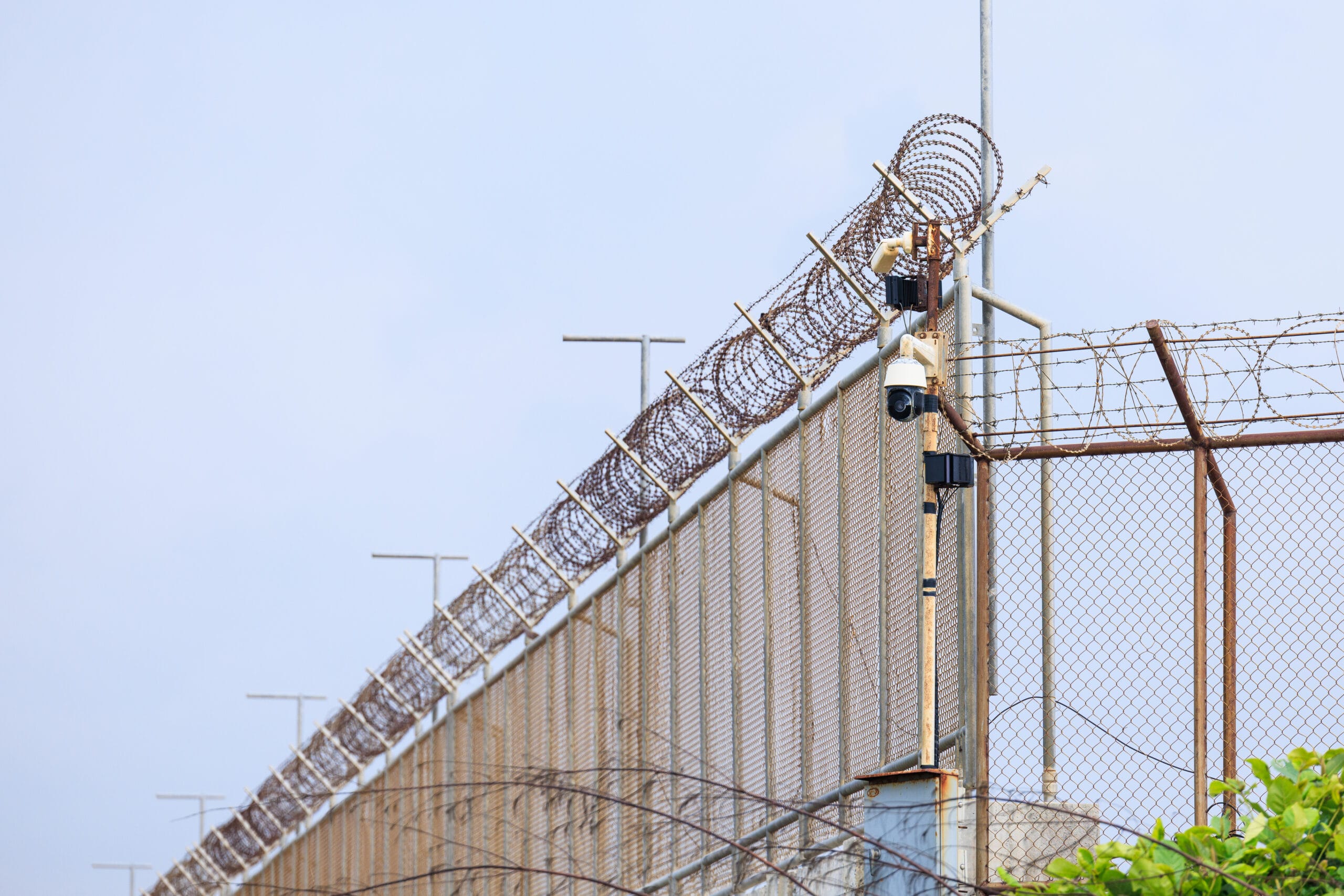
You will typically see fences this tall around industrial facilities, sports courts, and high-security areas. They are not commonly used in residential settings, but when maximum security is the goal, they do the job. Some baseball and tennis court installations also use heights in this range.
Chain Link Fence Gauges
Gauge refers to the thickness of the wire used to make the fence. This is where a lot of buyers get confused, and it is important to get it right. Here is the key thing to remember: the lower the gauge number, the thicker the wire. Thicker wire means a stronger, heavier fence.
11.5 Gauge
This is the lightest gauge you will typically find in chain link fencing. It is most often used for temporary fencing or in low-traffic areas where heavy-duty strength is not required. It costs less, but it is also less durable over time.
11 Gauge
This is a popular choice for residential fencing. It is strong enough for most home applications, holds up well in average weather conditions, and is more affordable than heavier gauges. If you are fencing in a backyard for pets or children, 11 gauge is a solid option.
9 Gauge
Nine gauge is a step up in strength and is commonly used for commercial and light industrial properties. It handles more pressure, resists bending better, and holds its shape over time. If your fence will face a lot of use or stress, upgrading to 9 gauge is worth the extra cost.
6 Gauge
Six gauge is heavy-duty and built for serious security applications. You will find it used in prisons, military facilities, power plants, and other high-security installations. It is significantly heavier and more expensive than other gauges, and it is overkill for most residential needs.
How to Choose the Right Chain Link Fence for Your Needs
Now that you know the basics, here is a simple way to think through your buying decision. Ask yourself a few key questions before you commit to anything.
What is the fence for?
If it is for containing pets or kids in a backyard, a 5 or 6-foot galvanized or vinyl-coated fence in 11 gauge will cover most situations. If it is for a commercial property where security matters, step up to 9 gauge and consider going 8 feet tall.
Where will the fence be installed?
Areas with heavy rain, humidity, or salt air like near the coast benefit from vinyl-coated wire because the extra coating gives better protection against corrosion. In dry, inland areas, standard galvanized holds up just fine.
What is your budget?
Galvanized fencing in 11 gauge is the most affordable combination. Vinyl coating and heavier gauges will add to the cost, but they also add years to the life of your fence. Think of it as a long-term investment rather than just an upfront expense.
Do you want privacy?
If yes, plan for privacy slats in addition to your fence. They are easy to add and make a big difference in how the finished fence looks and feels.
Conclusion
Choosing the right chain link fence does not have to be complicated. Once you understand how styles, heights, and gauges work together, the decision becomes much easier. Think about what the fence needs to do, where it will be installed, and how long you want it to last. Those factors will guide you to the right choice.
At W&C Engineering, we are proud to be a leading chain link fence provider. Whether you are fencing a backyard or sourcing materials for a large commercial project, our team is here to help. We will walk you through your options and make sure you get a fence that fits your needs and budget.
Contact W&C Engineering today to get started.