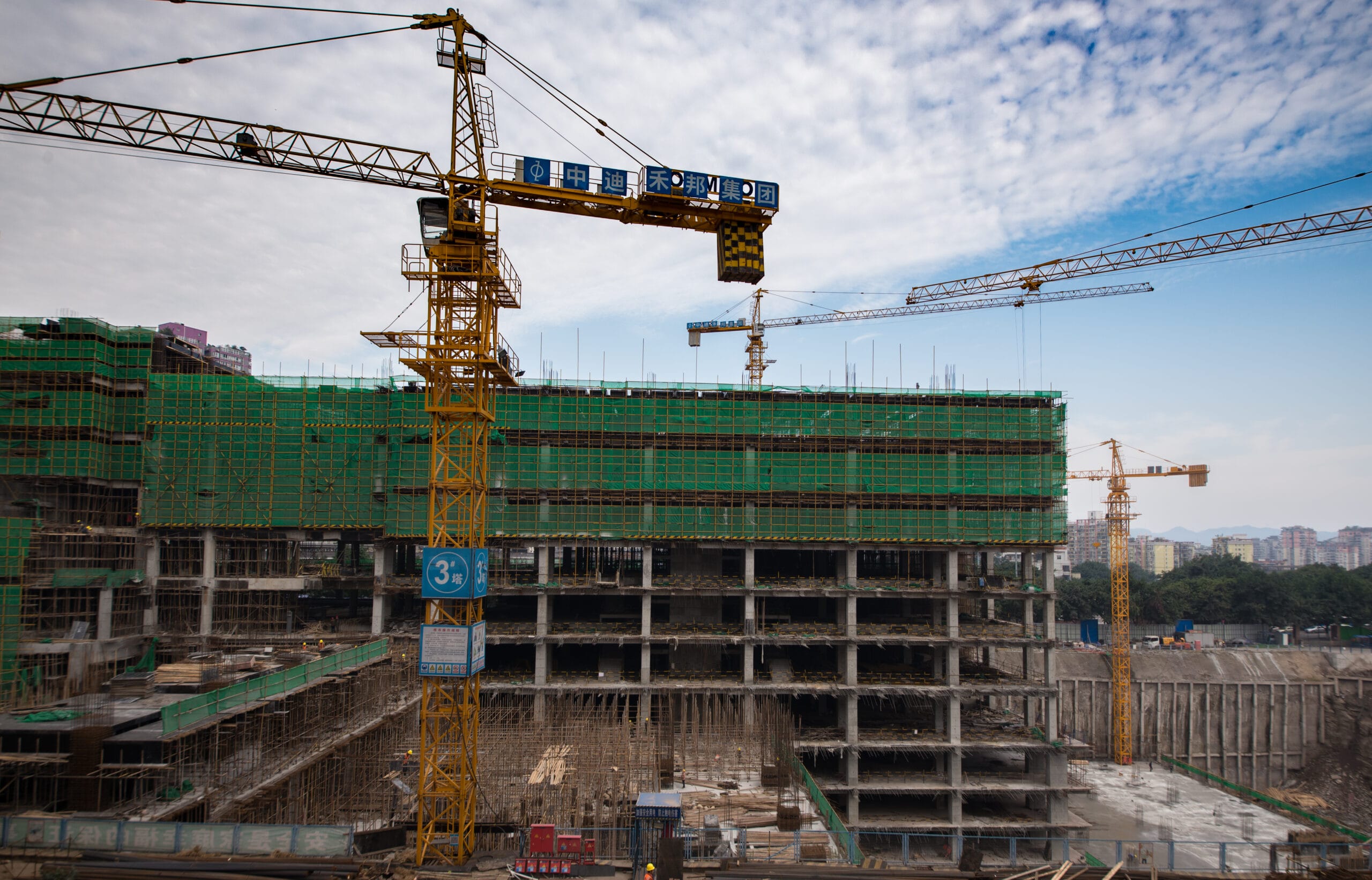
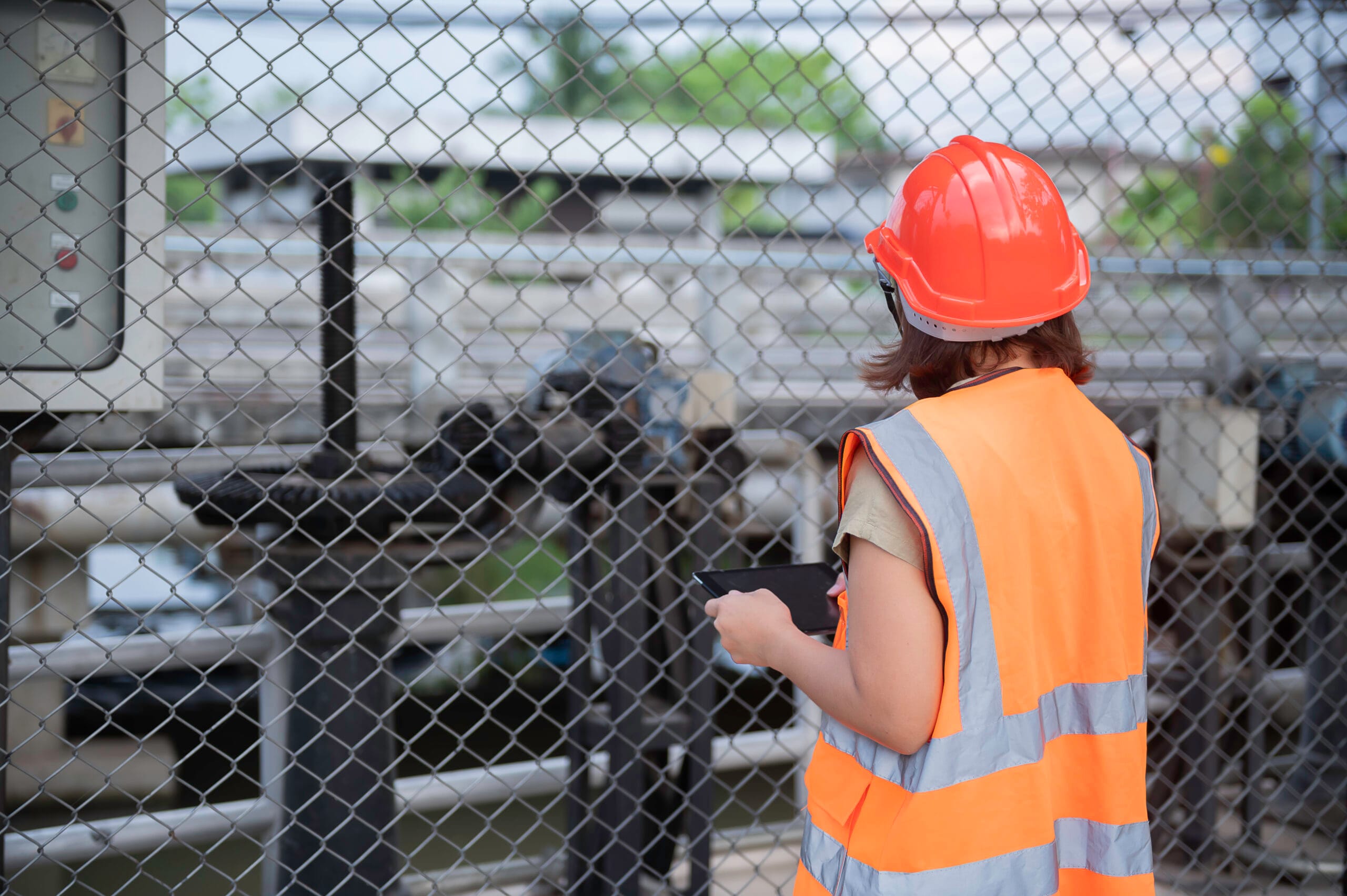
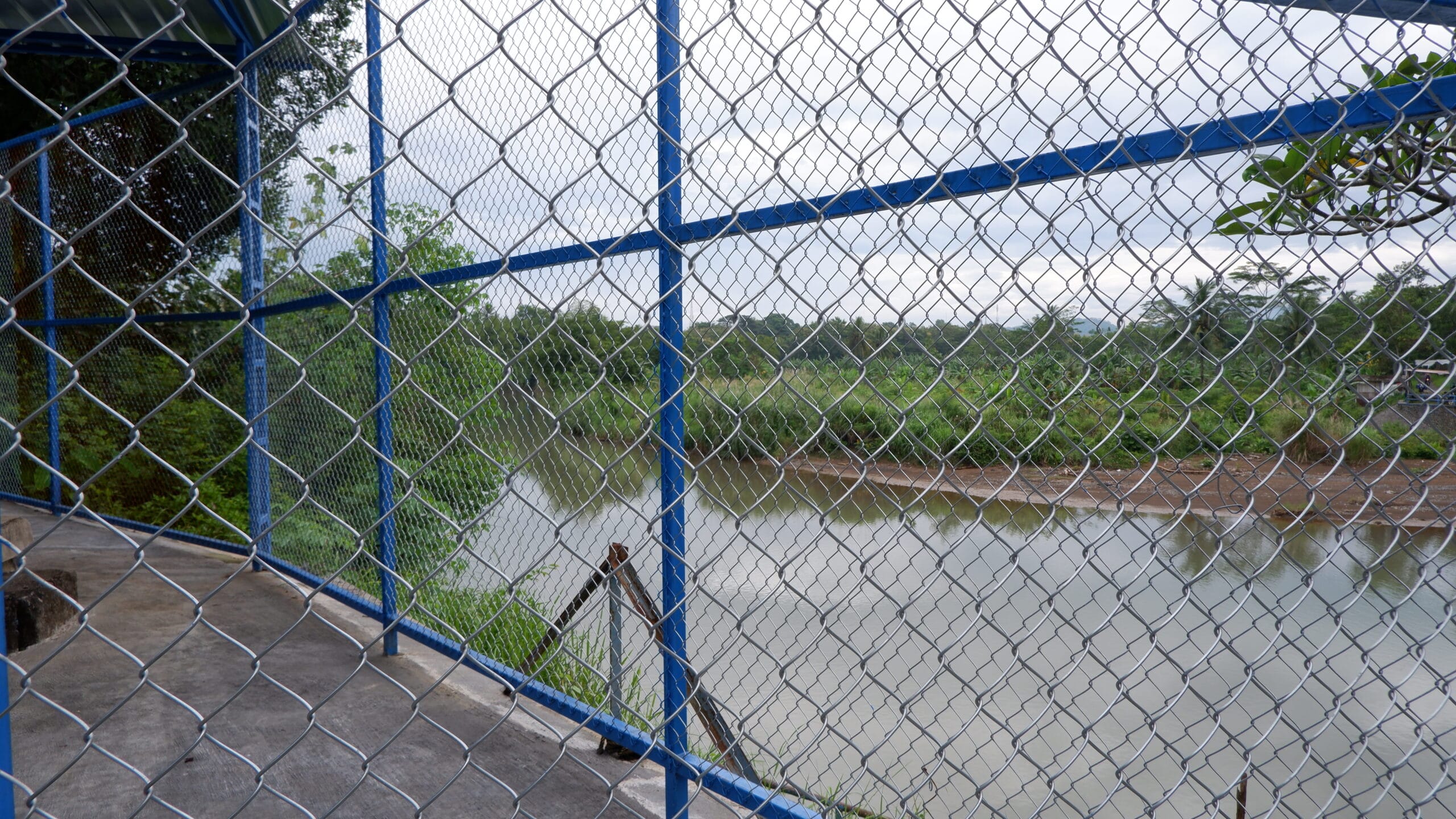
Malaysia has become one of Southeast Asia’s fastest-growing data centre markets in the past few years, with major investments flowing into Johor, Selangor, and Kedah from global hyperscale operators and regional providers alike. Every one of these facilities shares a requirement that rarely makes the headlines but is non-negotiable in the build process: a perimeter security specification that meets the standards global operators demand.
This shift has had a direct, practical effect on the fencing industry in Malaysia. Anti climb fencing — once specified mainly for government and prison facilities — has become a standard line item in data centre, solar farm, and critical infrastructure construction across the country. Understanding why helps any business evaluating perimeter security understand what the current benchmark actually looks like.
Why Data Centres Demand a Different Class of Perimeter Security
Data centres hold a unique risk profile compared to most commercial or industrial facilities. They house not just expensive physical infrastructure, but the data and operations of every client whose systems run inside them — which means a security breach has consequences far beyond the value of the equipment itself.
Global hyperscale operators building in Malaysia bring security specifications developed for facilities worldwide, and those specifications are consistently more rigorous than typical Malaysian commercial standards. Perimeter fencing is one of the most visible and consistently enforced elements of that specification, because it is the first and most fundamental layer of physical security before any electronic system is even considered.
This has had a noticeable trickle-down effect across the broader Malaysian construction and security industry. Contractors and developers working on adjacent projects — industrial parks, logistics hubs, solar farms, and utility infrastructure — have increasingly adopted the same anti climb fencing specifications that data centre projects require, simply because the standard has become familiar and the supply chain for it is now well established in Malaysia.
What Data Centre-Grade Anti Climb Fencing Actually Specifies
Data centre security specifications tend to converge on a consistent set of requirements that exceed what most commercial properties have historically used.
Tight mesh aperture, typically 12.5mm x 75mm. This is the genuine high-security specification — small enough that there is no usable finger or toe hold, making the fence extremely difficult to climb even for a motivated and determined intruder. This is meaningfully different from the wider 25mm x 75mm “semi fence” aperture used in lower-risk commercial applications.
Minimum height of 2.4 metres, frequently higher. Data centre perimeter fencing is rarely specified below 2.4 metres, and many facilities specify higher — particularly where the fence forms the primary perimeter rather than an internal boundary.
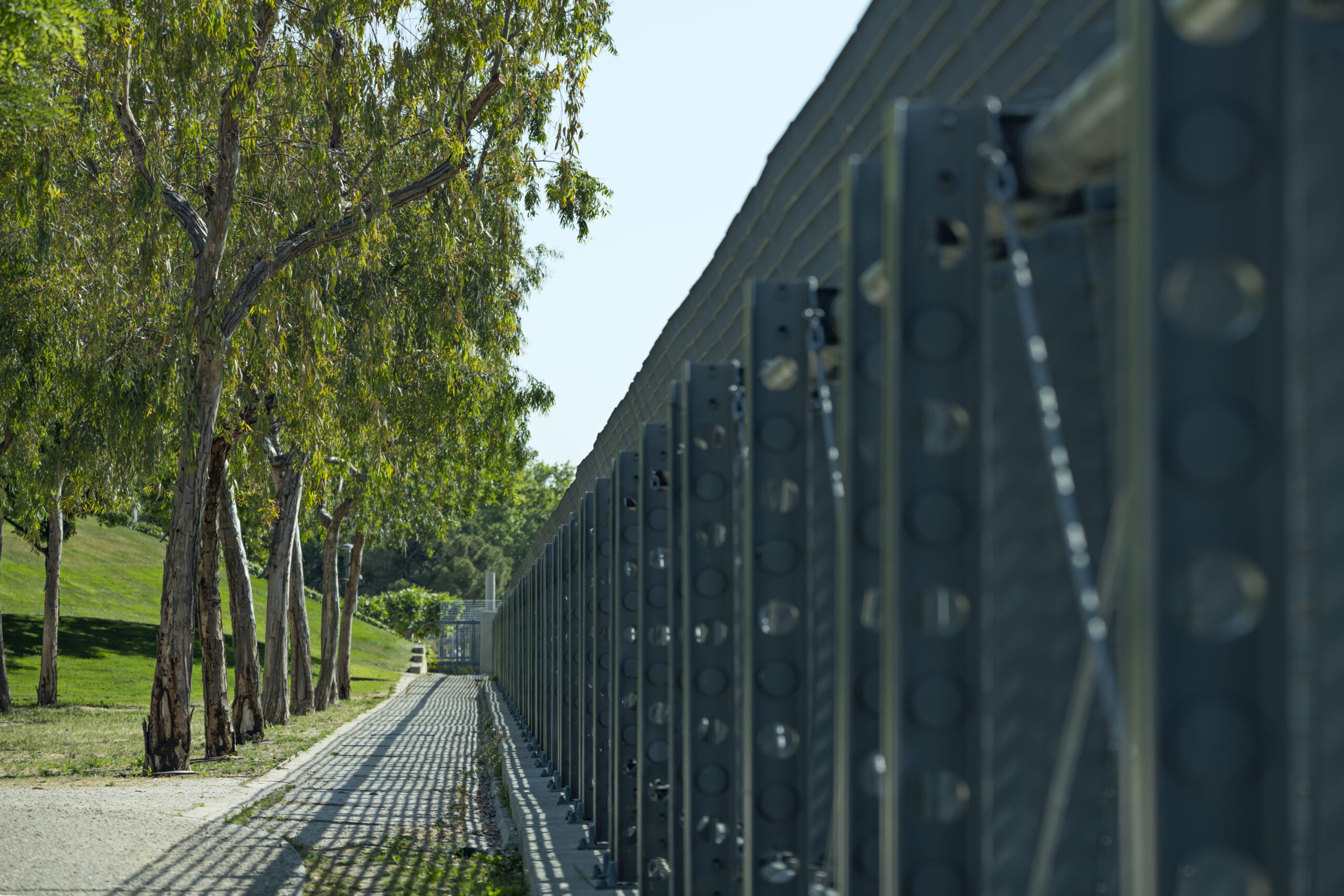
Anti-cut and anti-climb rigidity. The panel needs to resist both climbing attempts and cutting attempts. Rigid, welded mesh panels — as opposed to chain-link or lighter mesh — are the standard specification because they do not flex or deform in a way that would assist either method of breach.
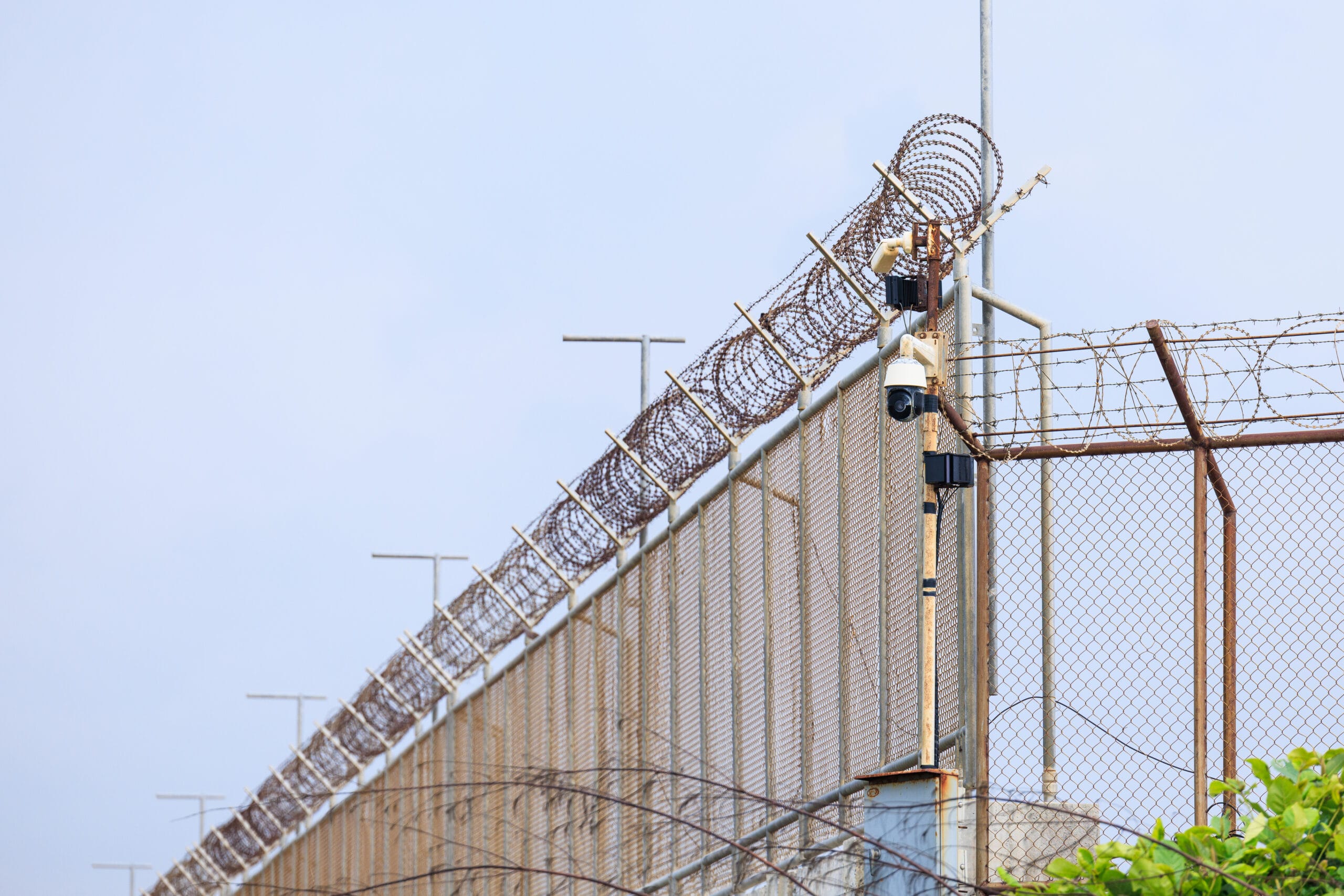
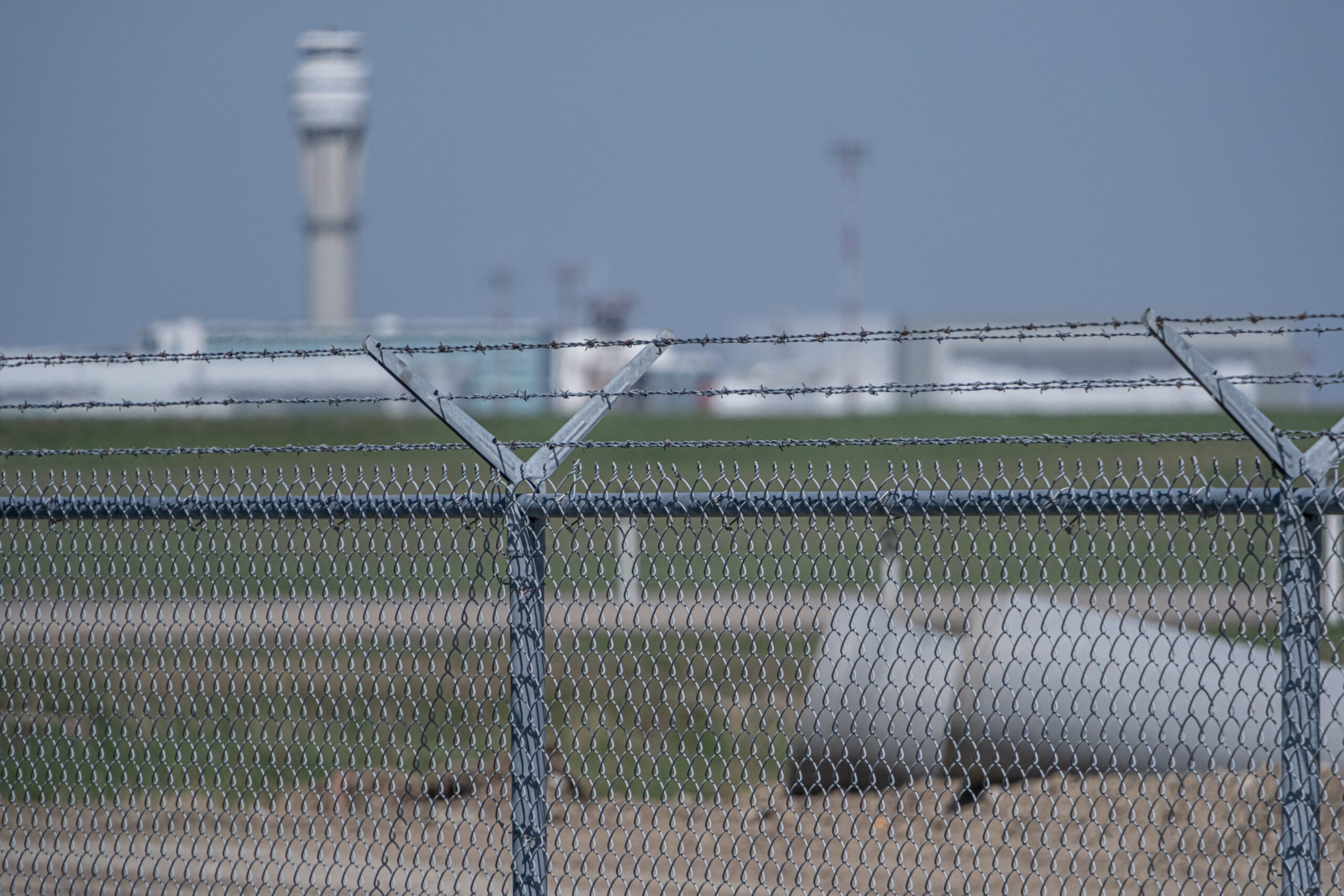
Topped with razor wire or high-security wire. Most data centre perimeters add razor barbed wire along the top of the fence line as an additional deterrence layer, visually signalling the security level of the site before anyone even attempts to test the fence itself.
Integration with electronic security systems. Anti climb fencing in data centre applications is rarely standalone — it is paired with perimeter intrusion detection, CCTV, and access control systems, designed to work together as a layered security system rather than the fence being the sole line of defence.
What This Means for Other Malaysian Businesses Evaluating Security Fencing
The data centre-driven standardisation of high-security fencing specifications has a practical benefit for any Malaysian business evaluating perimeter security today — the supply chain, fabrication standards, and contractor familiarity with this specification level have all matured considerably as a result of this demand.
Businesses in adjacent sectors — industrial manufacturing, logistics and warehousing, utility infrastructure, and increasingly large-scale solar and renewable energy installations — are specifying the same anti climb fence for data centre standards require, simply because the cost of doing so has become more reasonable as the supply base has scaled to meet hyperscale demand.
This is a genuinely different market position than five years ago, when high-security anti climb fencing in Malaysia was a more niche, higher-cost specification reserved almost exclusively for government and defence applications.
Solar Farms: The Other Driver of Demand
Alongside data centres, Malaysia’s rapid expansion of utility-scale solar energy installations has become a second significant driver of anti climb fencing demand. Solar farms present a distinct but related security challenge: large, often remote sites with high-value equipment (panels, inverters, cabling) and a documented history of targeted theft in markets where solar adoption has outpaced security investment.
Anti climb fencing around solar farm perimeters serves the same fundamental purpose as in data centre applications — preventing unauthorised access before any electronic system needs to respond — and Malaysian solar developers have increasingly adopted the same specification standards being driven by the data centre sector.
Choosing the Right Specification for Your Project
Not every business needs the full data centre-grade specification, and understanding where your project sits on the risk spectrum helps avoid both under-specifying (creating a real security gap) and over-specifying (spending on a level of security your risk profile does not require).
High-risk critical infrastructure — data centres, utility substations, solar farms, telecommunications infrastructure — generally warrants the full specification: 12.5mm x 75mm mesh, 2.4m+ height, razor wire topping, and integration with electronic security.
Industrial and logistics facilities with valuable inventory or equipment but lower-profile risk can often specify effectively with the same mesh tightness at a lower height, or the 25mm x 75mm aperture depending on the specific threat assessment.
Commercial and residential applications where deterrence rather than maximum security is the goal can typically use standard anti climb specifications without the additional layers (razor wire, electronic integration) that critical infrastructure requires.
A proper site assessment and threat-appropriate specification — rather than simply matching whatever the highest-profile project nearby has used — is the right starting point for any business evaluating this decision.
Frequently Asked Questions About Anti Climb Fencing for High-Security Sites
1. Why has anti climb fencing demand increased in Malaysia recently?
The rapid growth of Malaysia’s data centre sector, driven by major hyperscale and regional cloud operators investing heavily in Johor, Selangor, and other states, has brought global-standard perimeter security specifications into the Malaysian market at scale. This has been reinforced by parallel growth in utility-scale solar energy installations, which face similar perimeter security and theft-prevention requirements.
2. What mesh size is required for data centre-grade anti climb fencing?
The standard high-security specification uses a 12.5mm x 75mm mesh aperture, which is tight enough to eliminate any usable finger or toe hold for climbing. This is the specification typically required for data centres, critical infrastructure, and other high-risk facilities, as opposed to the wider 25mm x 75mm aperture used in lower-risk commercial applications.
3. Does a solar farm need the same level of fencing security as a data centre?
Solar farms and data centres share similar underlying risk factors — high-value equipment, often in less monitored or more remote locations — and have converged on broadly similar anti climb fencing specifications as a result. The specific height, mesh size, and additional security layers (razor wire, electronic monitoring) should still be determined by a site-specific risk assessment.
4. Is anti climb fencing alone sufficient security for a critical infrastructure site?
No. Anti climb fencing is the foundational physical deterrent layer, but data centre and critical infrastructure security standards consistently pair fencing with electronic systems — CCTV, perimeter intrusion detection, and access control — as a layered approach. Fencing alone is necessary but not sufficient for facilities at this risk level.
If you are planning perimeter security for a data centre, solar farm, industrial facility, or any high-security site in Malaysia, contact W&C Engineering for a site assessment and specification recommendation, or explore our full anti climb fence product range.