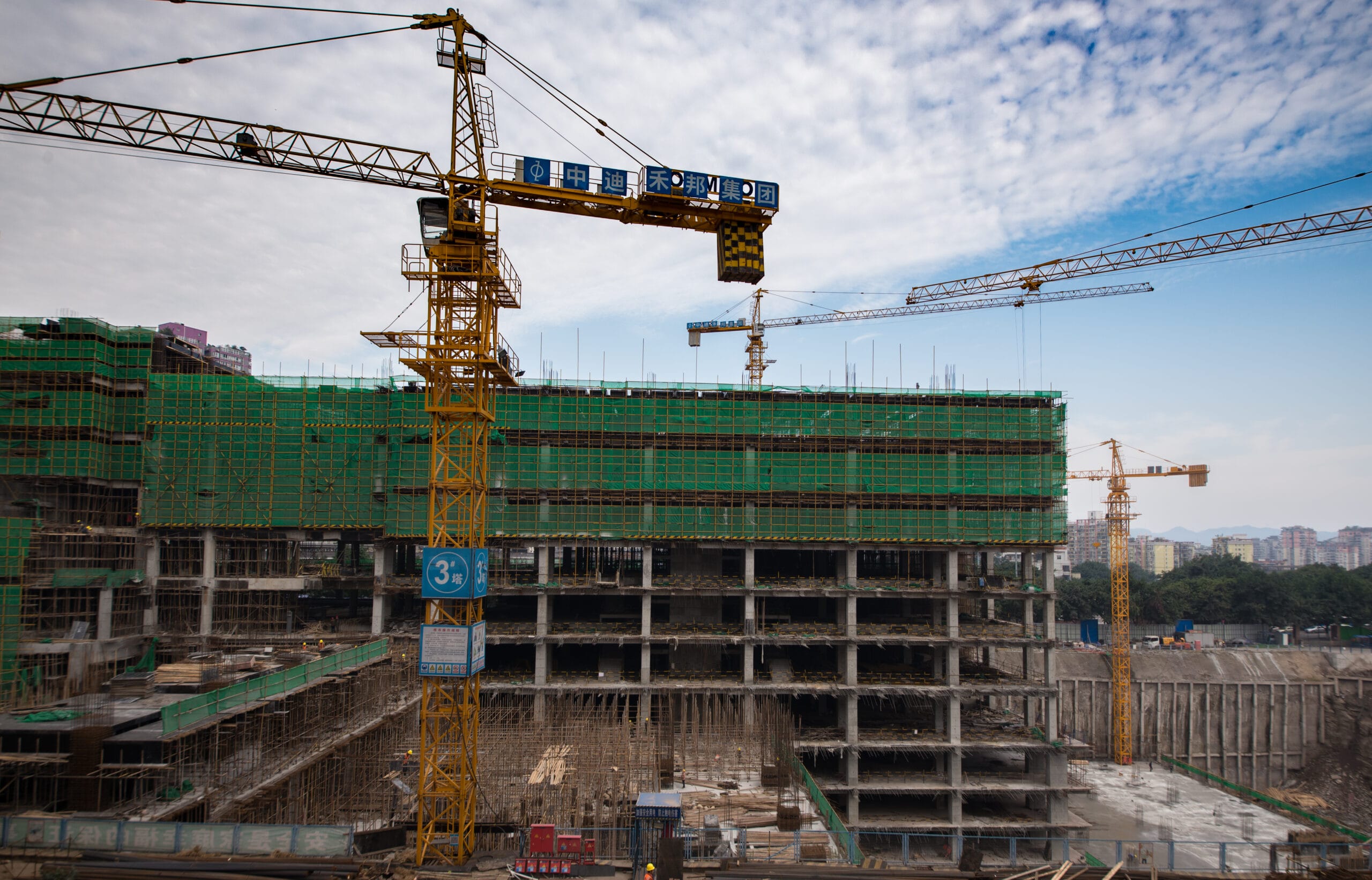
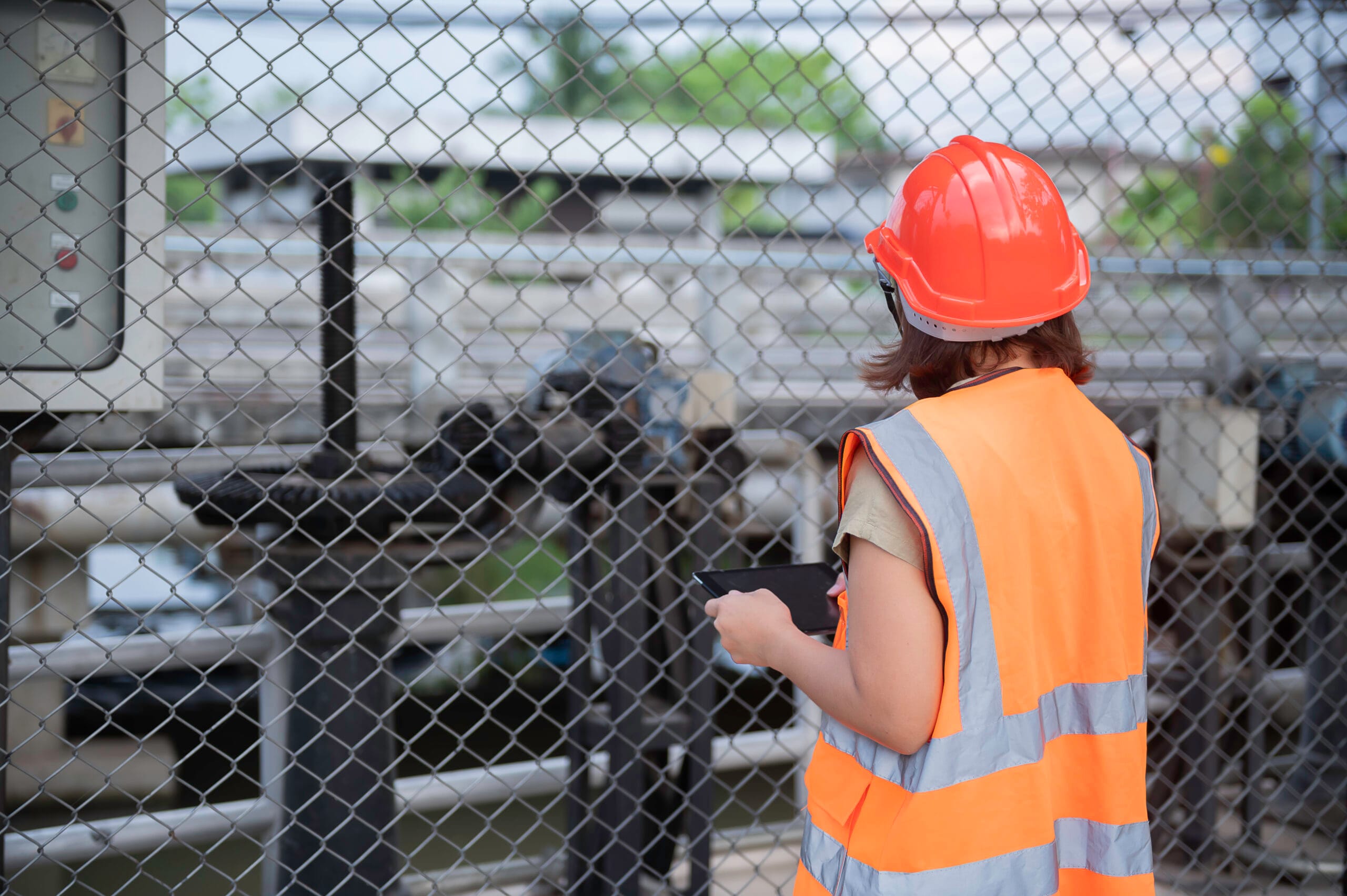
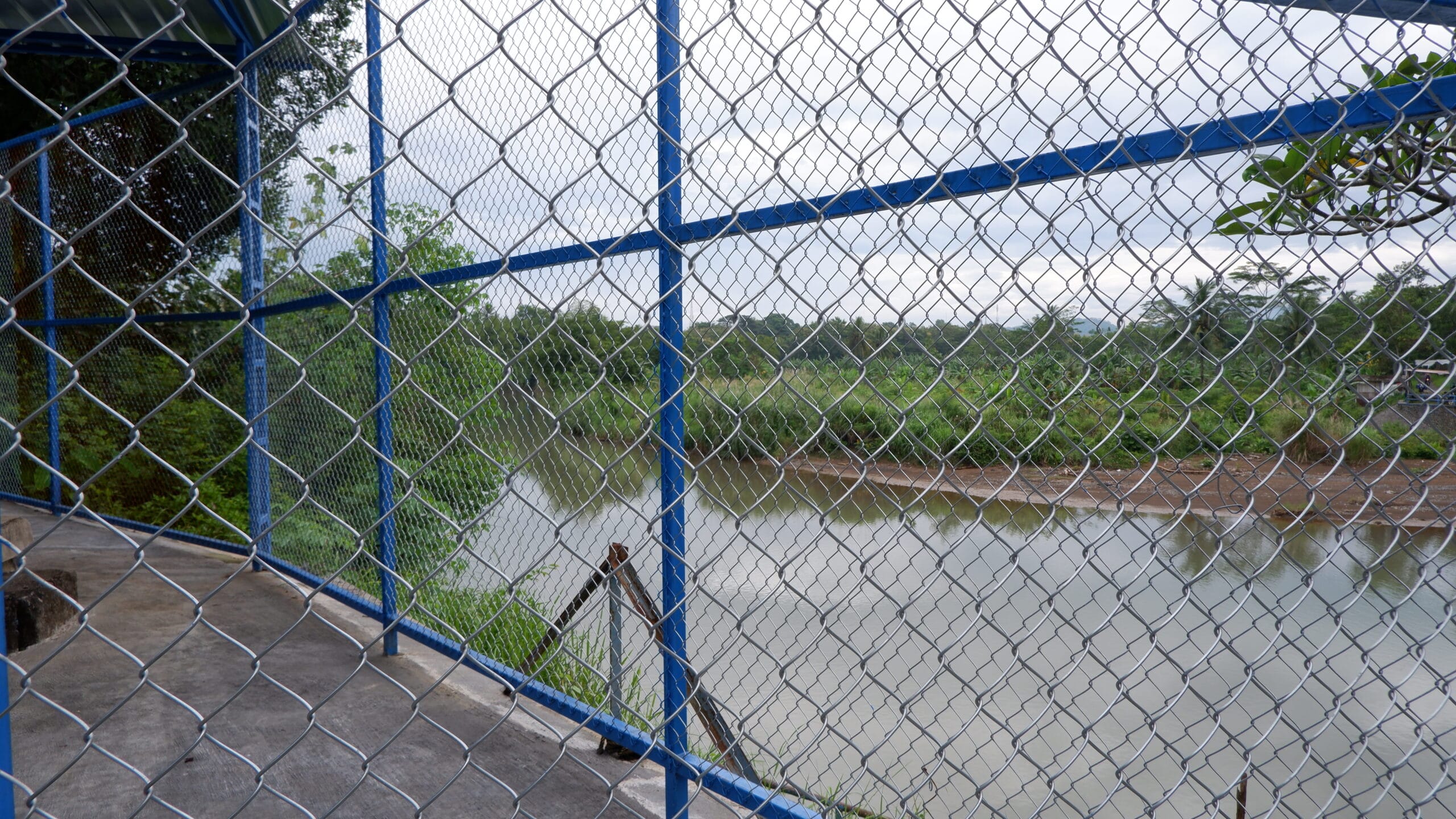
Construction material costs in Malaysia have risen significantly in recent years, and that shift has had a side effect that does not get discussed as often as it should: the resale value of stolen construction materials and equipment has risen right along with it. Steel rebar, copper wiring, machinery, and tools left on an unsecured site have become a meaningfully more attractive target than they were five years ago — and Malaysian contractors are reporting it.
This has pushed perimeter security up the priority list on construction sites that, until recently, treated it as a basic, almost token requirement. BRC fencing — already the most common perimeter fencing choice on Malaysian construction sites — is now being specified and installed with more attention to actual security performance, not just compliance box-ticking.
Why Construction Site Security Has Become a Real Cost Issue, Not Just a Compliance Item
For years, perimeter fencing on a Malaysian construction site was largely viewed as a regulatory and safety requirement — keeping the public out, satisfying local authority site safety conditions, and providing a basic boundary marker. Security against theft was a secondary consideration at best.
Rising material costs have changed that calculation. A pallet of rebar or a cache of copper cabling left within an inadequately secured site now represents a meaningfully higher financial loss if stolen than it did in previous years, and insurers and project financiers have correspondingly become more attentive to site security provisions when assessing risk on a construction project.
For contractors, this means perimeter fencing decisions that were once made almost as an afterthought are increasingly evaluated on actual security performance — not just whether a fence is present, but whether it is the right specification to genuinely deter and prevent unauthorised access.
What BRC Fencing Actually Offers — and Where Its Limits Are
BRC fencing — named for the British Reinforced Concrete engineering standard that originated the welded mesh design — remains the most widely used fencing type on Malaysian construction sites, and for good reason. It offers solid structural integrity, reasonable cost efficiency at scale, and quick installation, which matters on a construction timeline where the perimeter needs to go up before any other site work can safely begin.
What BRC fencing does not offer, in its standard specification, is genuine resistance to a determined intruder. The mesh aperture is wide enough to provide footholds, and a person motivated to gain access — whether for theft or trespass — can scale a standard BRC fence in a matter of seconds. For general site boundary marking and basic public safety compliance, this has historically been an acceptable trade-off. For a site holding genuinely valuable, easily resold material, it increasingly is not.
How Malaysian Contractors Are Adjusting Their Specifications
The shift we are seeing across Malaysian construction sites in response to rising theft risk tends to follow one of a few practical approaches, rather than wholesale replacement of BRC with a different fencing type entirely.
Upgrading the BRC specification itself. Heavier gauge wire, tighter mesh spacing, and taller panel heights within the BRC product family meaningfully increase the difficulty of forced entry and casual climbing, without the cost jump to a full anti climb specification. This is the most common adjustment for general construction sites looking to improve security without a major budget shift.
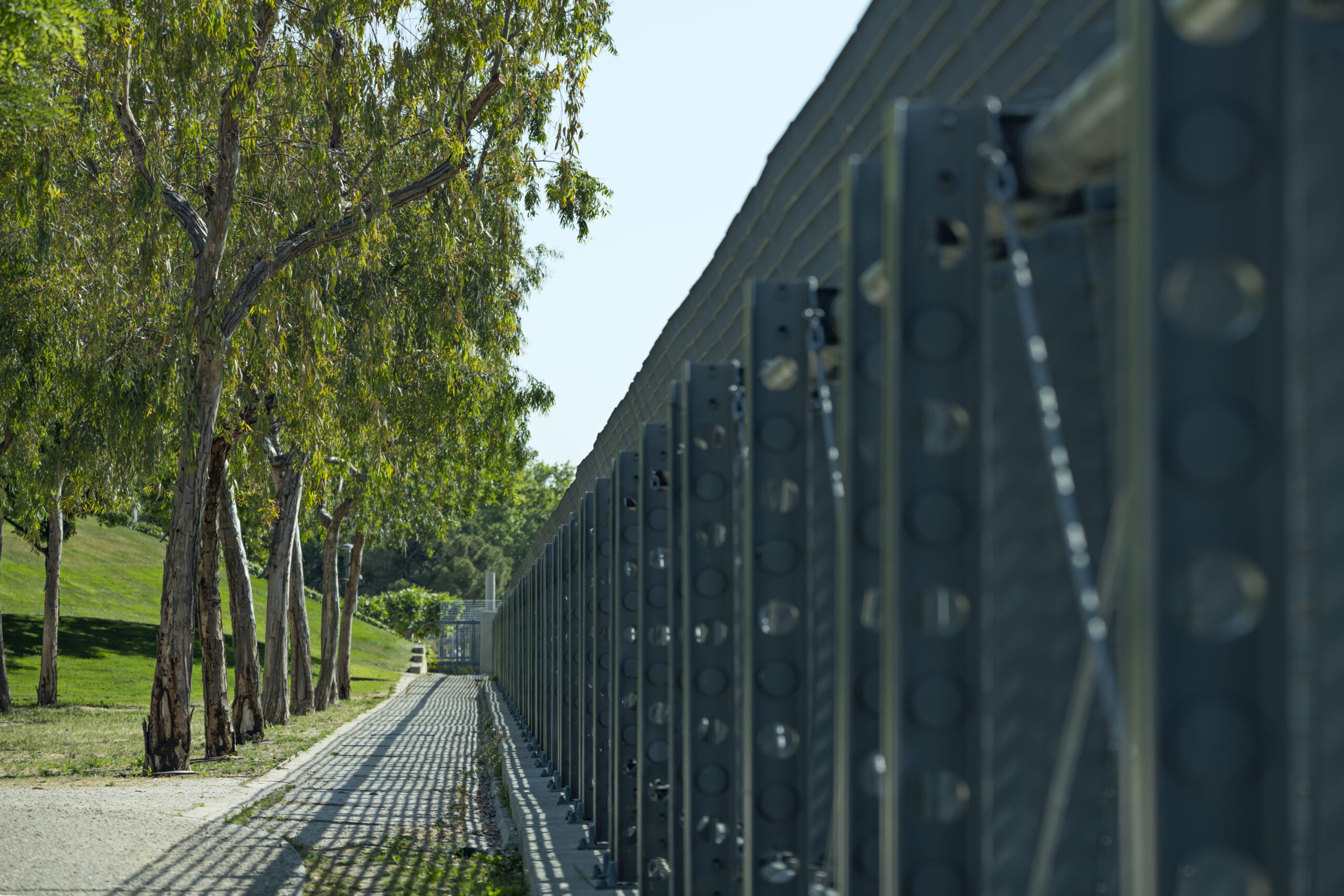
Combining BRC with targeted hardening at high-value zones. Rather than upgrading the entire site perimeter, many contractors are now specifying standard BRC for general boundary marking, with anti climb fencing or additional security measures specifically around material laydown areas, plant and equipment storage, and any zone holding high-value, easily resold items.
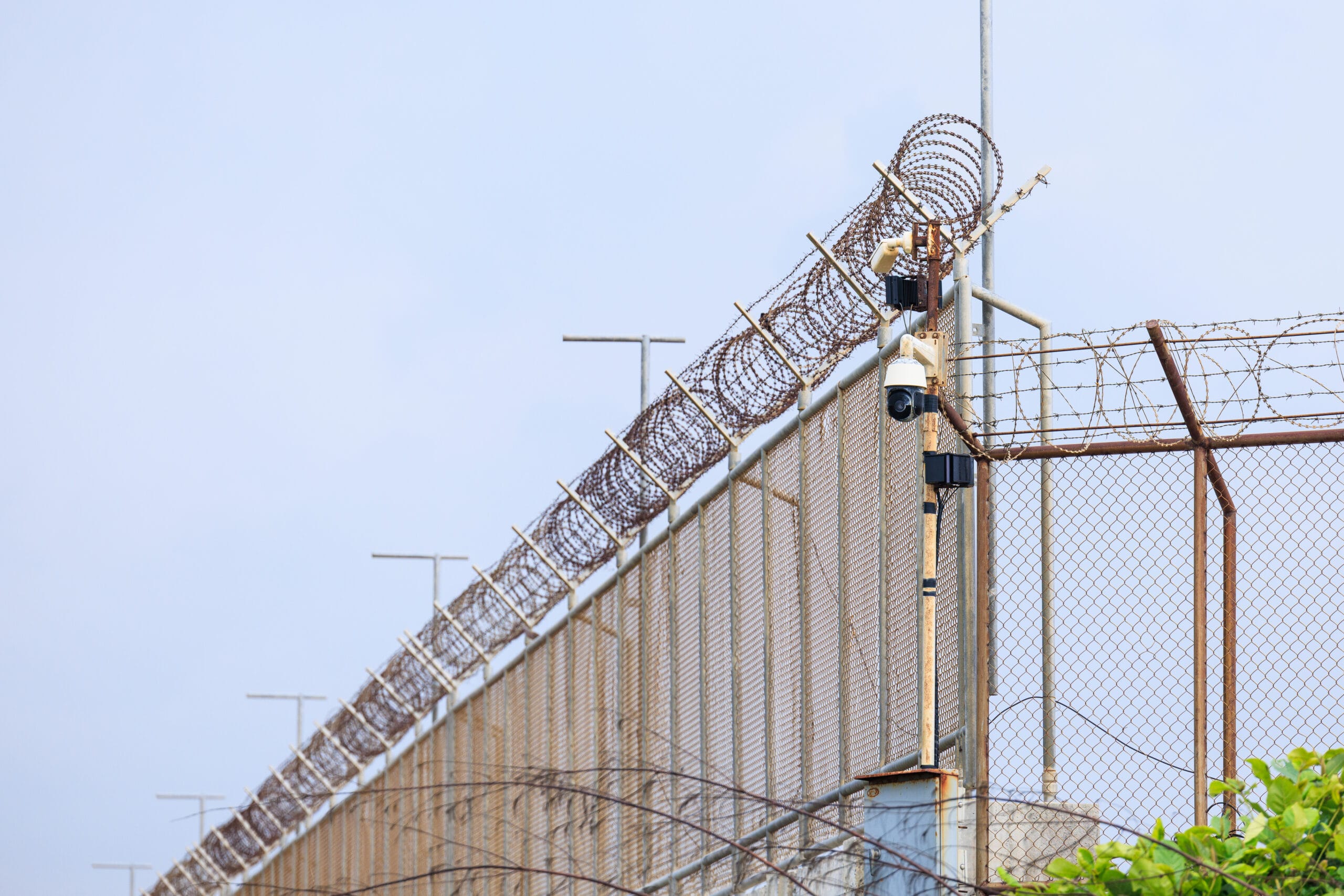
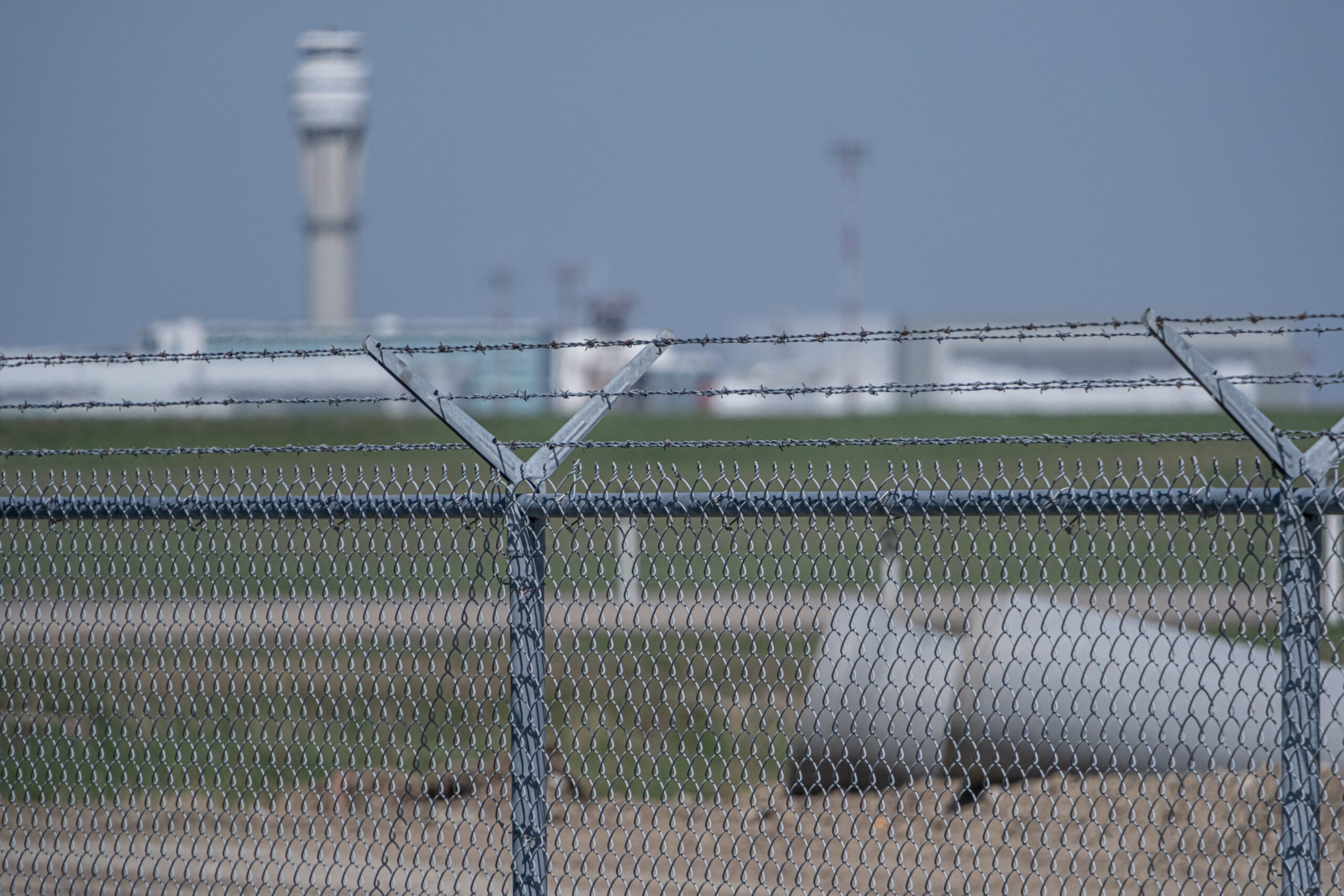
Adding razor barbed wire or standard barbed wire topping to existing BRC fencing. This is the most cost-effective security upgrade available for sites that already have BRC fencing installed — adding a meaningful deterrent layer without replacing the existing fence structure entirely.
Improving site lighting and CCTV alongside fencing. Physical fencing performs better in combination with visibility measures. Contractors increasingly treat the fence line and site lighting/camera coverage as a combined security investment rather than separate line items.
The Real Cost Comparison: Security Investment vs Theft Loss
This is the calculation that has shifted the conversation for many Malaysian contractors. A meaningful upgrade to perimeter security — heavier BRC specification, targeted anti climb fencing at high-value zones, and topping wire — typically represents a modest fraction of overall project cost, particularly relative to the value of a single significant theft incident involving steel, copper, or equipment at current market prices.
Insurance considerations add a further dimension. Sites with demonstrably inadequate perimeter security increasingly face higher premiums or, in some cases, coverage exclusions for theft-related claims — making the security investment a factor in overall project risk and cost, not purely a discretionary safety measure.
What to Specify When Quoting a Construction Site Perimeter in 2026
For contractors and project managers reviewing their site security specification, the practical questions worth asking are:
1. What is actually stored on site, and for how long?
A site with material laydown for an extended period — common in larger or phased projects — carries meaningfully more theft risk than a fast-moving site where material arrives and is used quickly. Security specification should reflect this.
2. Does the site have zones of materially different value?
Most construction sites are not uniformly high-risk across the entire perimeter. Identifying the specific areas — equipment storage, material laydown, site offices — that warrant a higher specification allows for a more cost-effective overall security investment than uniform upgrading everywhere.
3. Is the current BRC specification adequate for the site’s actual risk profile, or was it selected purely on cost and speed of installation?
Many sites are still running on a fencing specification chosen years ago for a different risk environment. A fresh assessment, particularly for longer-duration projects, is worth the time.
Frequently Asked Questions About BRC Fencing and Construction Site Security
1. Is BRC fencing secure enough for a Malaysian construction site in 2026?
Standard BRC fencing remains appropriate for general site boundary marking, public safety compliance, and lower-risk applications. For sites holding significant value in materials or equipment, particularly over an extended construction period, many contractors are now upgrading to a heavier BRC specification or adding targeted high-security fencing at specific high-value zones, given the rise in material theft value.
2. What is the difference between standard and heavy-duty BRC fencing?
Heavy-duty BRC specifications use thicker wire gauge and tighter mesh spacing than standard BRC, increasing resistance to both cutting and climbing without the full cost premium of an anti climb fence specification. This is a common middle-ground upgrade for construction sites seeking improved security on a moderate budget increase.
3. Can razor wire be added to existing BRC fencing on a construction site?
Yes. Adding razor barbed wire or standard barbed wire along the top of existing BRC fencing is one of the most cost-effective security upgrades available, since it does not require replacing the existing fence structure — it adds a meaningful deterrence layer to fencing that is already in place.
4. Does construction site security fencing affect insurance premiums in Malaysia?
Insurers increasingly factor site security provisions into risk assessment for construction project insurance, and inadequate perimeter security can affect premiums or claims outcomes related to theft. Contractors should discuss specific security requirements with their insurer or project financier as part of site planning, particularly for higher-value or longer-duration projects.
If you are reviewing perimeter security for a construction site or industrial project in Malaysia, contact W&C Engineering for a site assessment, or explore our BRC fencing and anti climb fencing product ranges to compare specifications for your project.