Many people think all wire mesh netting is the same—pick one, install it, and move on. In reality, different types exist, and choosing the wrong one can lead to wasted money, poor performance, and frustration.
W&C Engineering is a leading provider of anti-climb fencing with years of experience helping residential, commercial, and industrial clients select the right wire mesh solution. We’ve seen what happens when people buy without proper research and want to help you avoid those mistakes.
This guide explains wire mesh netting in simple terms, showing you which type fits your project, what to check before buying, and how to make a confident choice.
Types of Wire Mesh Netting
Wire mesh netting comes in several types, each suited to different purposes.
Welded Wire Mesh
Welded mesh has wires joined at every intersection, creating a rigid, stable panel. It holds its shape under pressure, making it ideal for construction, fencing, and concrete reinforcement.
Woven Wire Mesh
Woven mesh is made by interlacing wires over and under each other, giving it flexibility. It works well in filtration, agriculture, and industrial screening where some movement or vibration occurs.
Expanded Metal Mesh
Expanded metal mesh is made by cutting and stretching a solid sheet of metal into a strong, one-piece grid. With no joints or welds, it offers exceptional strength.
Hexagonal Wire Mesh
Also called chicken wire, hexagonal mesh has six-sided openings and is lightweight and flexible. It is best for gardens, poultry enclosures, and light-duty projects, but not for high-security applications.
Wire Mesh Fencing
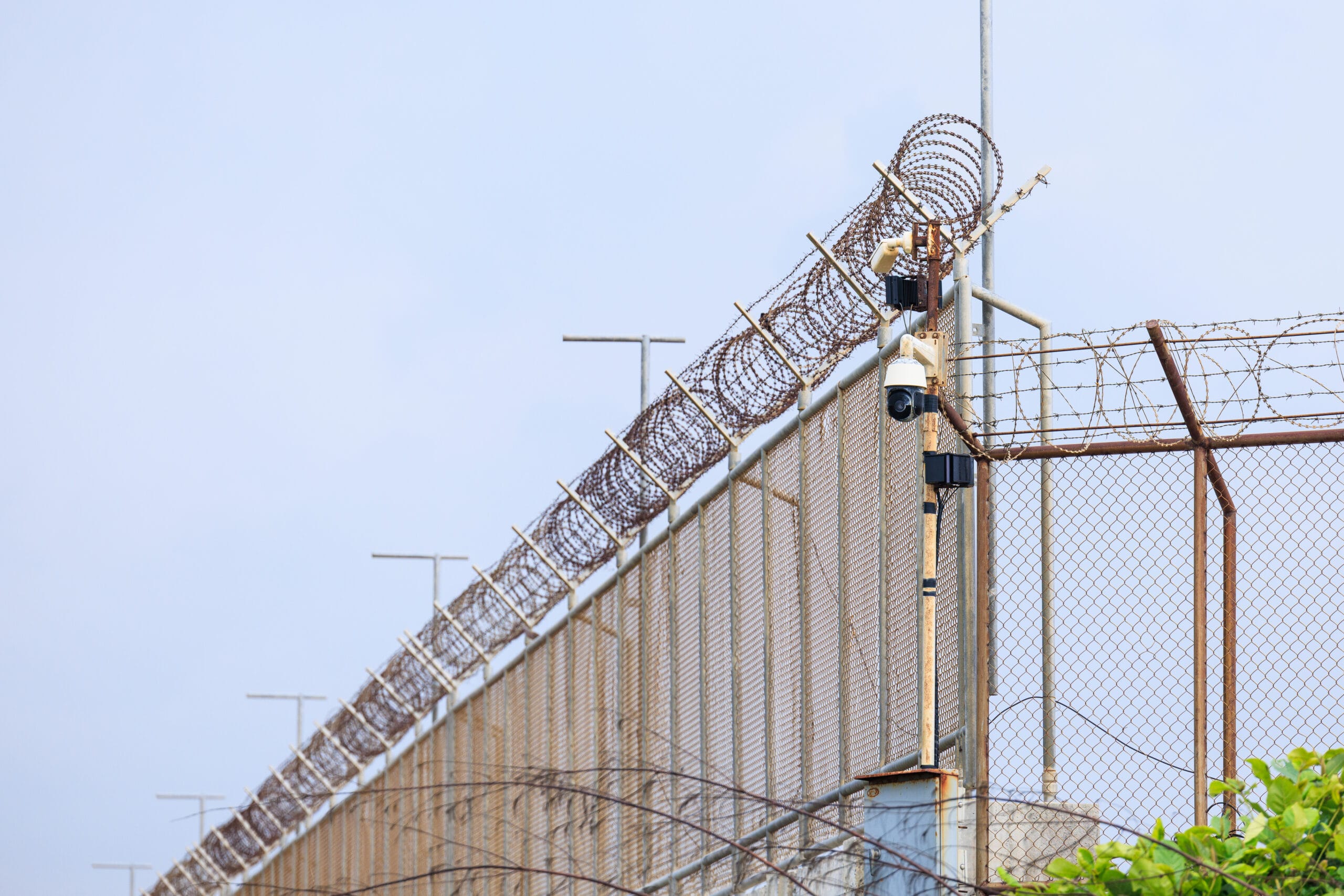
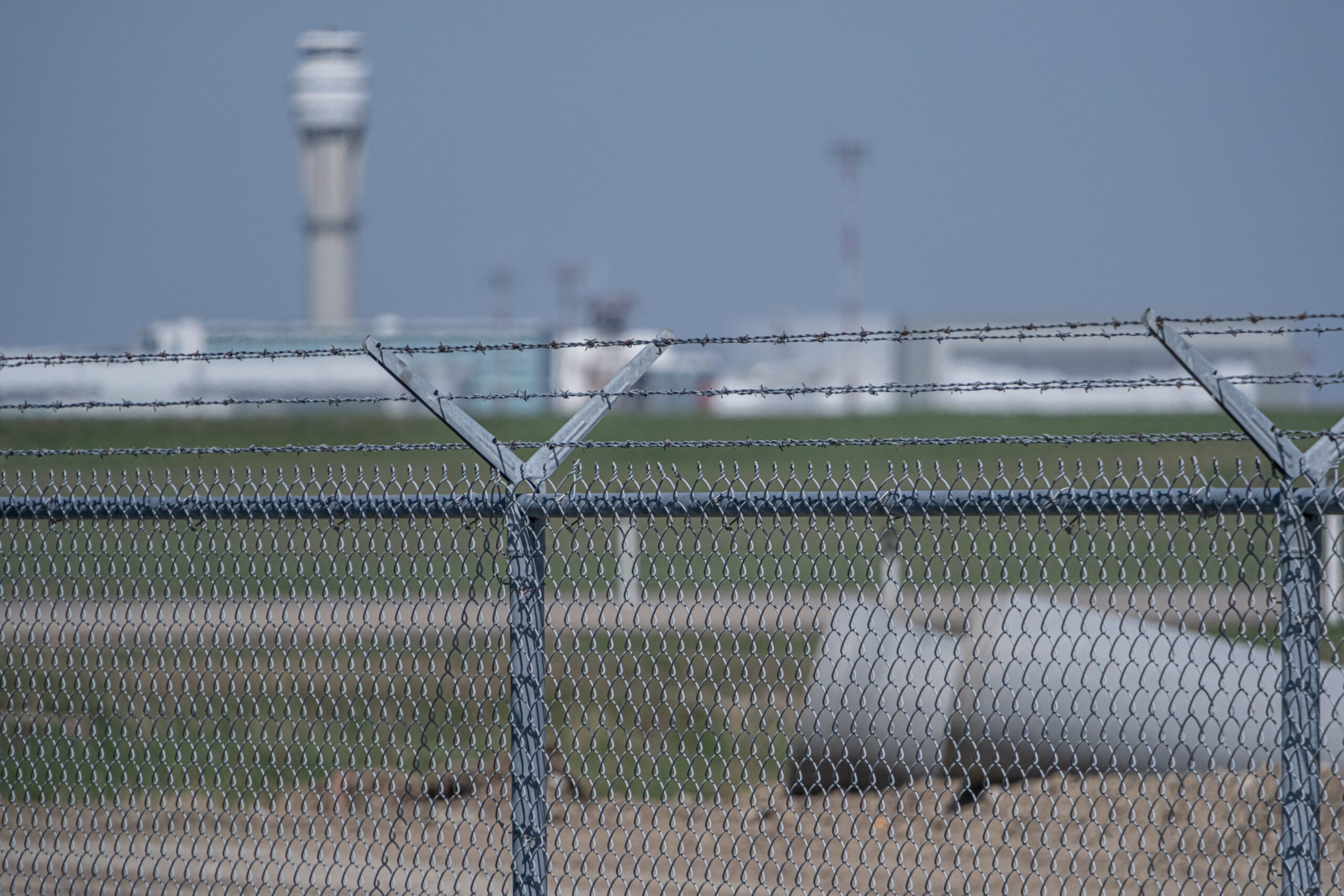
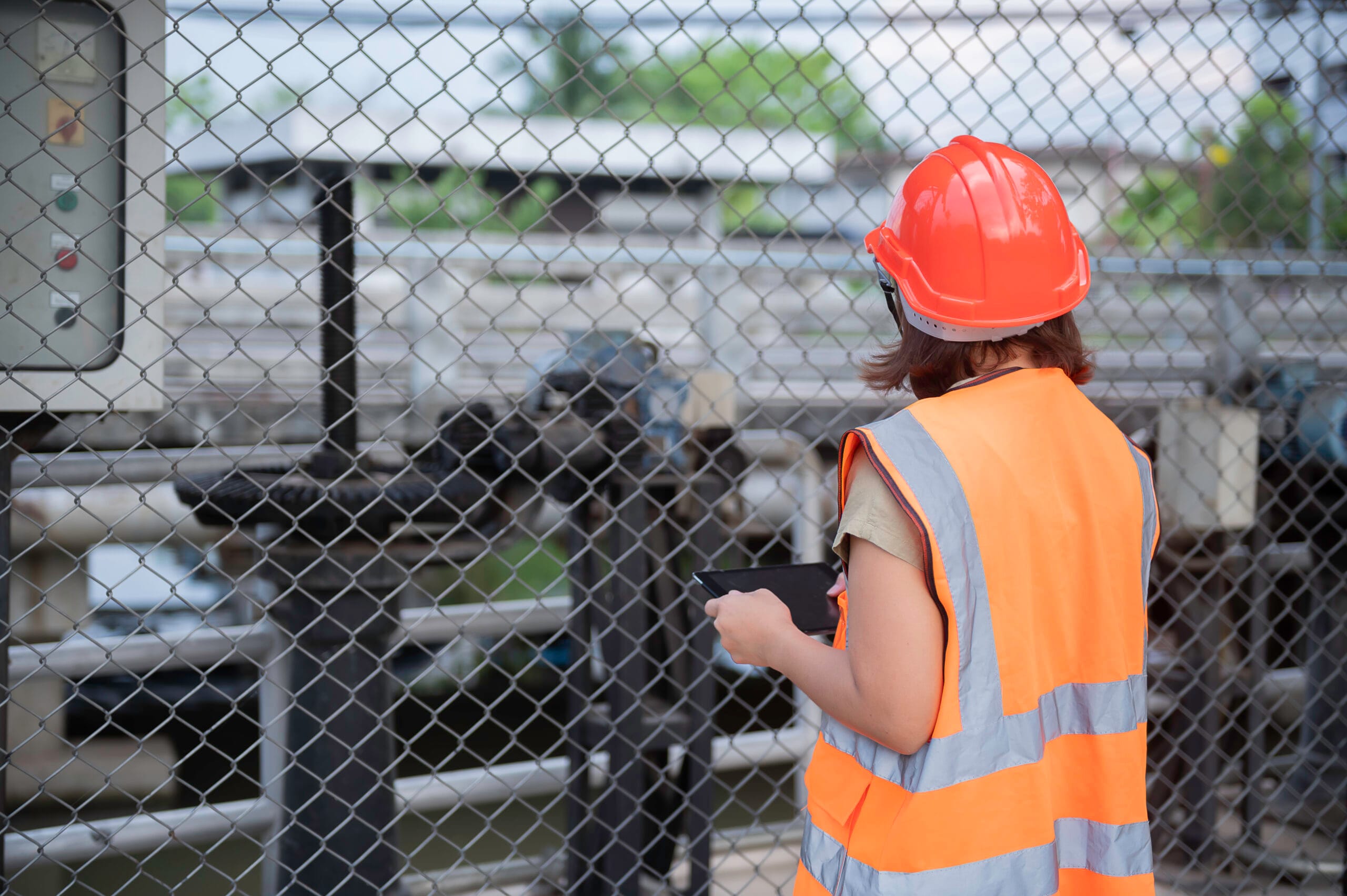
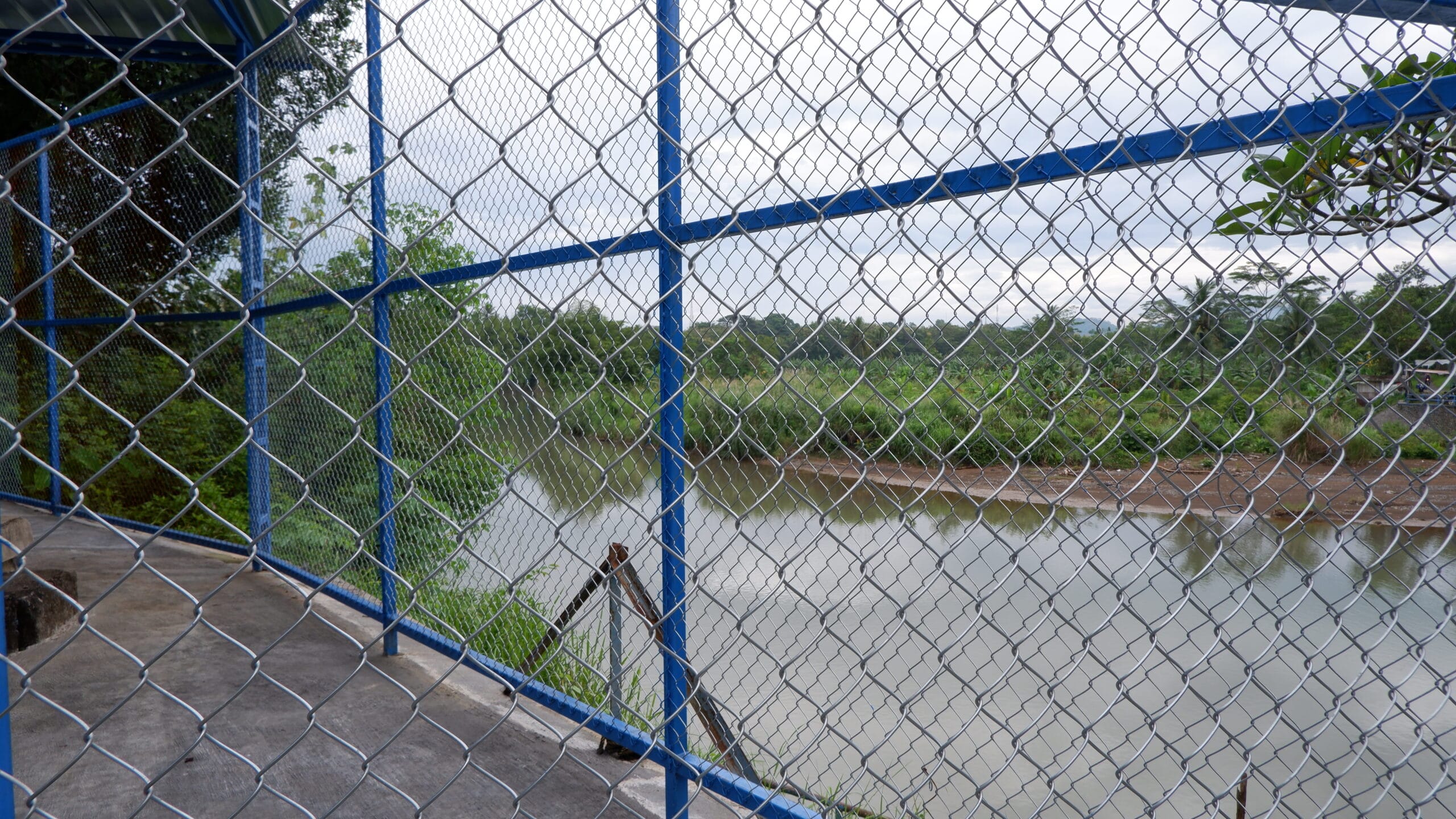
Wire mesh fencing is a practical and widely used solution for creating boundaries, enclosures, or security barriers. It consists of mesh panels or rolls attached to posts, offering visibility and airflow while providing a physical barrier.
Commonly used around schools, parks, sports courts, construction sites, warehouses, farms, and homes, wire mesh fencing is functional, durable, and cost-effective. Its flexibility allows installation at various heights, on uneven terrain, and with different mesh sizes to suit security or containment needs. For reliable boundary protection without high costs, wire mesh fencing is an excellent choice.
Expanded Metal Mesh
Expanded metal mesh is made by cutting and stretching a single sheet of metal into a diamond-patterned grid. With no welds or joints, it is extremely strong and rigid.
It is ideal for applications that need both strength and open surface, such as walkways, stair treads, security screens, ventilation panels, and machine guards. The open pattern allows air, light, and liquid to pass through while providing a solid, load-bearing surface.
Its natural anti-slip texture makes it perfect for flooring and ramps. Available in various thicknesses and opening sizes, expanded metal mesh suits both light-duty and heavy-duty needs, offering durability and versatility.
How to Choose the Right Wire Mesh Netting
To select the right wire mesh for your project, consider these key factors:
Purpose: Choose based on use. Welded mesh works for fencing and construction, woven mesh for filtration or agriculture, and expanded metal mesh for heavy-duty platforms or security.
Environment: For exposure to rain, humidity, salt, or chemicals, use galvanized or stainless steel mesh for durability.
Opening Size: Small openings increase security and containment, while larger openings allow airflow, visibility, or drainage.
Budget: Welded and hexagonal mesh are cost-effective. Expanded metal and stainless steel cost more but last longer in demanding conditions.
Gauge: Thicker wire offers strength for security or structural use. Thinner wire is suitable for light-duty applications and is more affordable.
Industries and Applications That Use Wire Mesh Netting
Wire mesh netting is used across many industries.
In construction, welded mesh reinforces concrete slabs, walls, and foundations. In agriculture, woven and hexagonal mesh protects crops, animals, and soil. In security, heavy welded and expanded metal mesh serve as perimeter fencing, window guards, and anti-climb barriers. In industrial settings, expanded metal mesh is used for machine guards, walkways, and ventilation panels. At home, wire mesh fencing protects backyards, pools, and gardens.
Its versatility makes wire mesh netting a highly practical material for many applications.
Conclusion
Choosing the right wire mesh is simpler once you know the types, their uses, and what matters for your project. Whether you need fencing for a property boundary, expanded metal for a heavy-duty platform, or woven mesh for a garden, the right option is available.
W&C Engineering is a leading provider with extensive knowledge of wire mesh netting and its applications. We help clients of all sizes find strong, reliable, and long-lasting solutions, guiding you to the right product for your project and budget.
Contact W&C Engineering today to find the perfect wire mesh solution for your next project.
Find more about: